Brunswick & Bath Historic Guidelines for Thoughtful Renovations
December 18, 2025
December 18, 2025
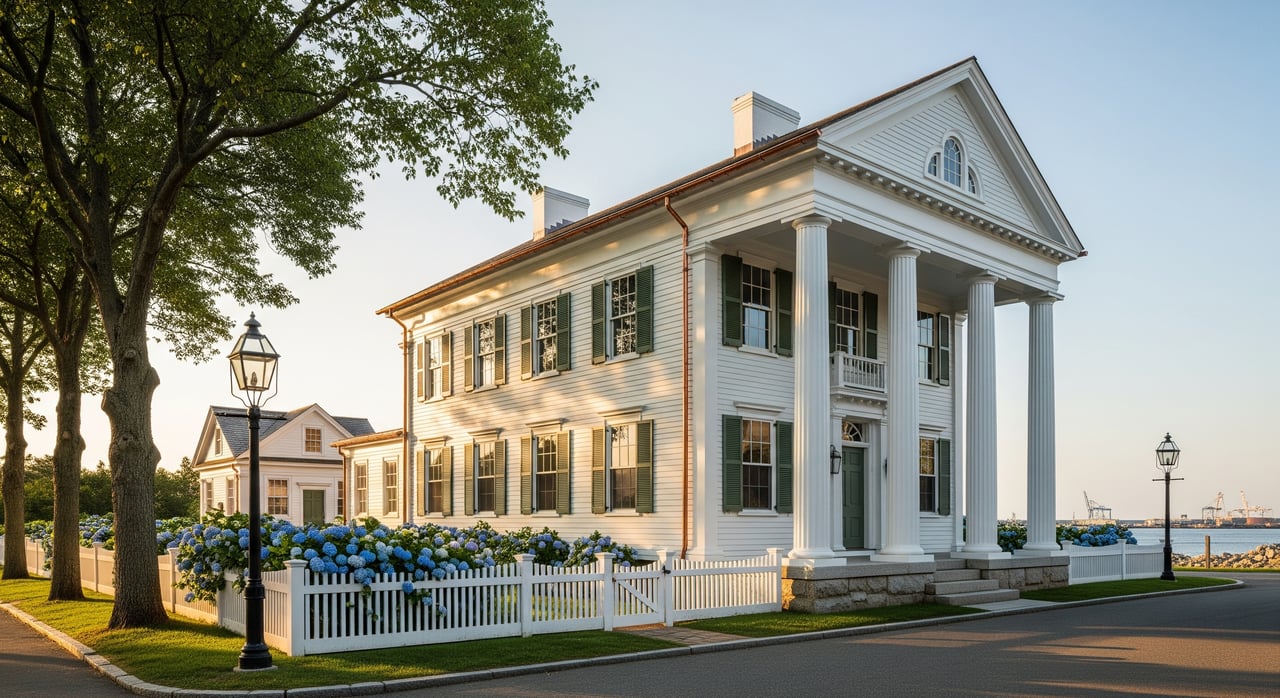
Fallen for a stately Federal in Bath or a classic Greek Revival in Brunswick, only to wonder what you can change and how? You’re not alone. Historic districts protect the character you love, but they also add a review step to exterior work that is visible from public streets. In this guide, you’ll learn what typically needs approval, how the process works, which materials and design choices tend to succeed, and how to plan your project timeline with fewer surprises. Let’s dive in.
Local Historic District Commissions review exterior changes that are visible from public ways within designated districts. These appointed bodies are supported by municipal planning or code enforcement staff who manage applications, schedules, and coordination with building permits.
The goal is to keep the district’s historic and architectural character intact. The commission looks at how proposed work will appear from the street and whether it is compatible with surrounding buildings. Reviews can cover repair, replacement, additions, new construction, demolition, signage, and sometimes color.
National Register listing is largely honorary and does not by itself restrict changes. Local historic district designation is what creates the regulatory review. Requirements and thresholds vary between Brunswick and Bath, so always check the current ordinance and commission guidance for your specific property.
Most exterior work visible from a public right-of-way typically requires a Certificate of Appropriateness. Common categories include:
For smoother approvals, meet with planning staff or the commission informally before preparing full plans. Early feedback can confirm what is reviewable and help you avoid redesigns.
A complete submittal helps your first hearing go well. Typical materials include:
Applications are scheduled for a public meeting. Decisions are based on the ordinance, adopted guidelines, and recognized preservation standards. Outcomes may be approvals, approvals with conditions, denials, or referrals. For straightforward projects, plan on several weeks to a few months from submittal to decision. Larger or more complex work will take longer. Building permits are usually separate and may require historic approval first.
If you disagree with a decision, most ordinances include an appeals process with clear deadlines. Noncompliance can lead to stop-work orders, fines, or requirements to restore. Early consultation is the best way to stay on track.
Commissions commonly favor repair of historic windows over full replacement. If replacement is allowed, you may be asked to match original profiles, muntin patterns, and materials. Low-profile storm windows that are visually compatible are often acceptable.
Original materials such as wood clapboard and shingles are usually preferred when visible. In-kind repairs and patching tend to be favored over wholesale replacement. Synthetic siding that alters profiles or obscures trim is often discouraged.
Porches, columns, balustrades, and other character-defining features carry significant weight. Enclosing a porch or changing its rhythm typically requires strong justification and careful design to remain compatible with the building and streetscape.
Roofing material changes can alter the building’s texture and color. Some districts accept modern materials that closely mimic historic appearance, especially in less prominent locations. Visible solar panels may be regulated; installing on rear slopes or choosing low-profile systems can reduce visual impact.
Additions should be compatible in scale and massing and generally remain subordinate to the historic structure. Setbacks, roof forms, and exterior materials are key. New buildings in a historic district are reviewed for compatibility with the district’s character, including height, proportions, and window rhythms.
Some municipalities regulate exterior color and may request samples or palette guidance. If color is not regulated, you will still be encouraged to choose hues that follow historic precedent and complement neighboring structures.
Place HVAC units, propane tanks, meters, and exterior vents away from primary facades when possible. Use screening and landscaping to reduce visibility. Energy upgrades such as insulation, storm windows, and discreet solar installations are often feasible if they avoid impacts to significant features.
Demolition is the most closely reviewed action. You may be asked to demonstrate that rehabilitation is not feasible before demolition is considered. Expect additional documentation and possible delay periods.
If you are considering a historic home in Brunswick or Bath, build review timing and costs into your plans. Before you commit, review the district map, read the local ordinance, and scan recent commission minutes to understand precedent on windows, siding, porches, and additions. If you have a specific project in mind, request a pre-application meeting to gauge feasibility and likely conditions.
Pre-purchase
Before starting work
Hiring pros
Documentation
Owning a historic property in Brunswick or Bath is deeply rewarding, and the review process does not need to be intimidating. With early planning, clear drawings, and compatible materials, you can protect your home’s character and move forward with confidence. If you want a steady hand to help you evaluate properties, structure timelines around approvals, or prepare for resale, connect with a broker who understands both stewardship and transaction risk. Adrianne Zahner blends real estate law experience with local knowledge to guide you through historic-district decisions from first tour to closing.
Stay up to date on the latest real estate trends.
Whether you’re buying your first home, upgrading to something new, or selling a beloved property, I’m here to provide expert guidance, clear communication, and thoughtful advocacy. I’m ready to help you take the next step.
Adrianne Zahner
Legacy Properties Sotheby’s International Realty 40 Main St Damariscotta ME 04543