Leave a Message

Thank you for your message. I will be in touch with you shortly.

Design Touchstones in Newcastle’s Period Homes

November 6, 2025

Thinking about updating a period home in Newcastle or Damariscotta and not sure where to start? You want comfort and safety, but you also want to keep the character that drew you in. The good news is that a few key features do most of the heavy lifting for style and value. This guide shows you how to recognize the hallmarks of Federal and Greek Revival homes and what to protect or modernize to support buyer appeal and appraisal. Let’s dive in.

What makes Newcastle homes special

Newcastle and neighboring Damariscotta have a deep inventory of 18th and 19th century homes. You will often see timber-frame construction with local wood, plaster interiors, and fieldstone foundations. Federal and Greek Revival styles are common, and both rely on proportion, craftsmanship, and well-scaled details.

Before you plan work, check local planning and historic resources. The Maine Historic Preservation Commission and your municipal offices can help you identify National Register listings, local historic districts, and any exterior review or demolition rules that may apply. This step saves time and prevents costly rework.

Federal vs Greek Revival at a glance

Federal style hallmarks

  • Slender proportions with a balanced, often five-bay facade.
  • Entry doors with elliptical fanlights and narrow sidelights.
  • Delicate moldings and thin surrounds at doors and windows.
  • Simple mantels that echo classical lines without heavy ornament.

Greek Revival hallmarks

  • Bolder classical elements with full entablatures and pedimented gables.
  • Pronounced corner pilasters and wide trim.
  • Entryways with rectangular transoms and sidelights, plus robust surrounds.
  • Heavier interior casings and larger-scale moldings.

Understanding which style you have helps you make choices that feel authentic and consistent from the street to the stair hall.

Protect these character features

Focus first on the elements that define the home’s style. Preserving them keeps the architecture legible and supports market appeal.

Entryways that signal style

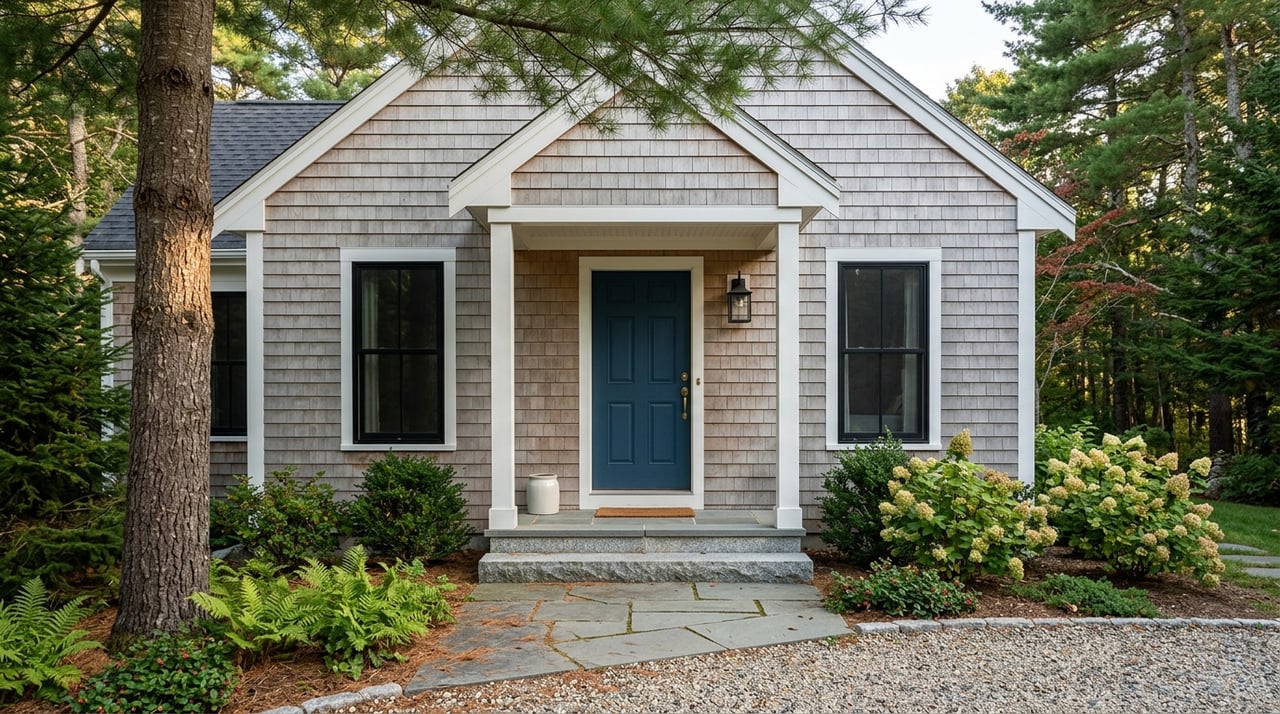
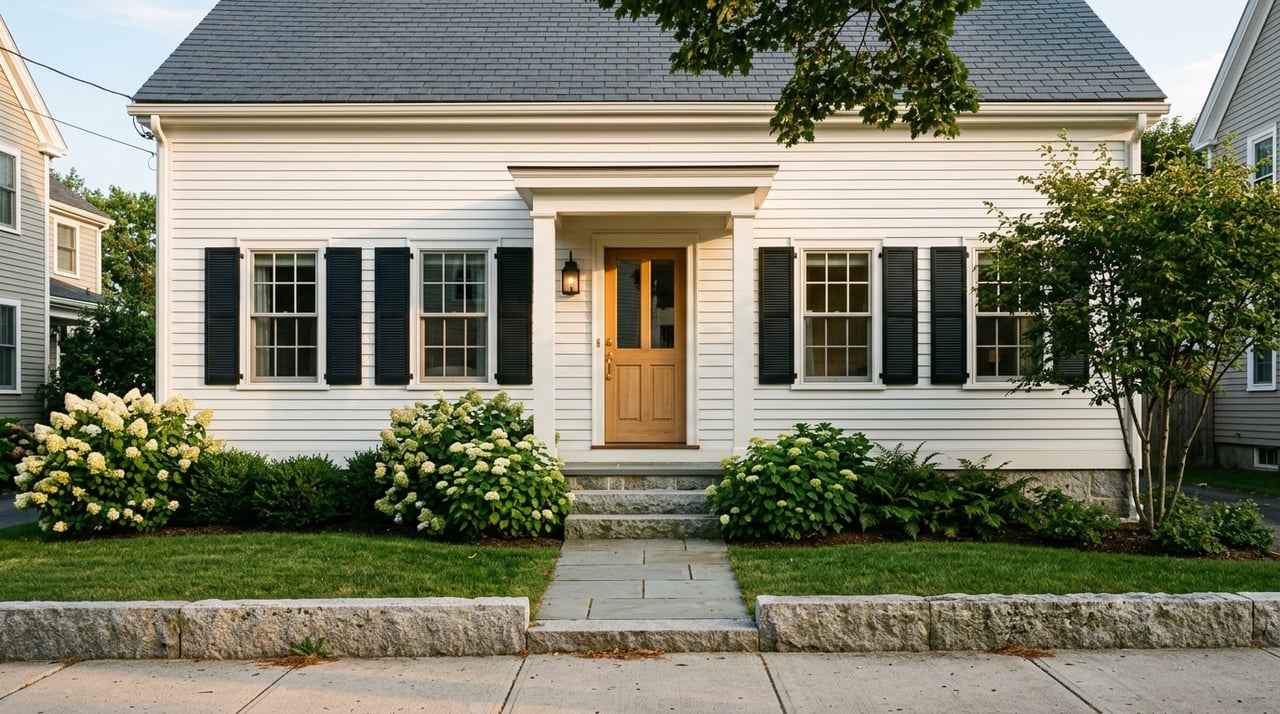
Entry compositions are often the strongest visual cue. Keep an eye out for original paneled doors, sidelights, transoms or fanlights, pilasters, entablatures, pediments, thresholds, and early hardware.

  • Why protect: Buyers and appraisers respond to intact, well-preserved entrances that read as authentic to the period.
  • Inspect for: Rot at the sill, non-original storm doors that obscure trim, shortened sidelights, or a replacement door that looks out of scale.
  • What to do: Repair wood doors and sills where feasible. Retain or reproduce moldings and entablatures to match profiles. Use compatible, reversible storm doors and storms that do not hide the surround.

Moldings and interior trim

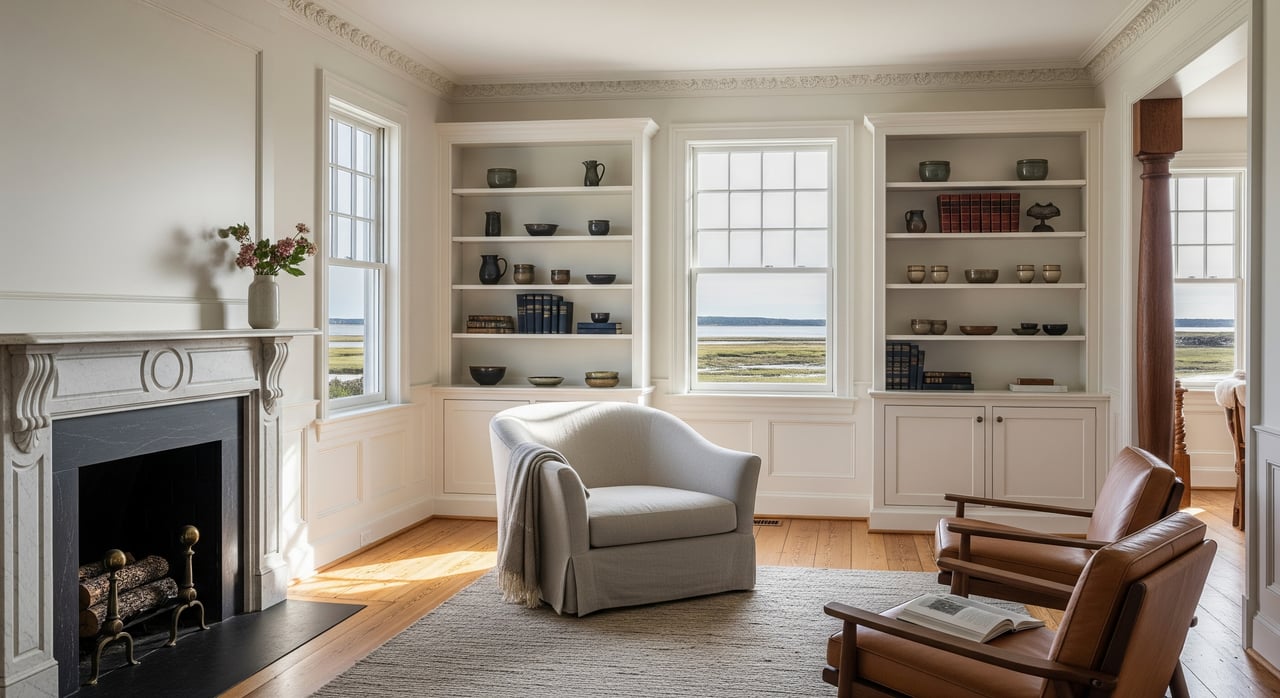
Crown cornices, window and door casings, baseboards, chair rails, and picture rails contribute to the home’s rhythm and scale. Federal profiles tend to be thinner and more delicate. Greek Revival profiles read bolder and wider.

  • Why protect: Original profiles reveal craftsmanship and set the visual proportions of each room.
  • Inspect for: Lost or simplified profiles from later renovations, nailed-over trim, or missing chair and picture rails.
  • What to do: Conserve original pieces, replicate missing sections in the same species and profile, document profiles before any replacement, and strip later paint with care.

Staircases with presence

Staircases serve as interior focal points. Federal homes often have slender turned balusters and a continuous handrail with a delicate newel. Greek Revival examples may feature a bolder newel and simpler turned or square balusters.

  • Why protect: The stair’s form and balustrade anchor the interior character.
  • Inspect for: Removed balusters, carpet hiding original treads, altered runs, or non-code changes that look out of place.
  • What to do: Repair treads and balusters, replicate missing parts in matching wood and finish, and meet code in ways that are minimally visible and reversible where possible.

Other features worth saving

  • Windows: Original double-hung sash with six-over-six or nine-over-nine patterns, wood sills, and weight pockets. Repair is usually better than wholesale replacement.
  • Mantels and fireplaces: Early mantels and surrounds provide a strong style cue and often anchor living spaces.
  • Plaster and wide-plank floors: Historic plaster, horsehair finishes, and wide boards are material evidence of age that buyers notice.

What to modernize carefully

Aim for comfort and safety without erasing the story your home tells. Choose reversible, minimally invasive upgrades and document any changes.

Systems upgrades that respect fabric

Update electrical, plumbing, and HVAC for safety and efficiency. You can route new runs in attics, basements, closets, or existing chases to avoid cutting original trim.

  • Use baseboard cavities or closets for wiring and piping where feasible.
  • Consider mini-split heat pumps where ducts would require destructive runs.
  • Keep service panels accessible but discreet to preserve key interior vistas.

Modern systems have a major impact on comfort and marketability. Done sensitively, they do not need to compromise character.

Kitchens and baths with balance

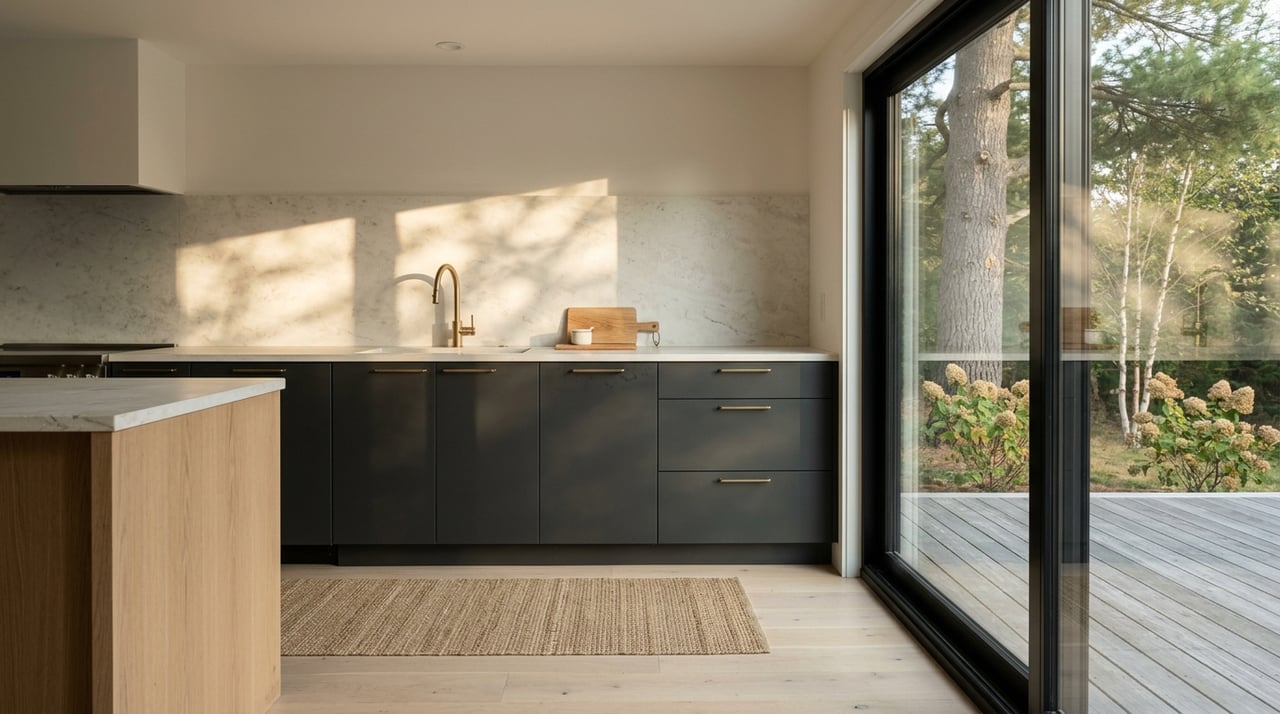
Modernize function and finishes while keeping the home’s primary circulation intact. If possible, place larger changes in secondary spaces such as a rear ell or prior additions.

  • Retain primary features within historic rooms, including mantels and window walls.
  • Choose cabinetry and hardware that complement the period. Simple flat-panel or Shaker-style fronts often fit both Federal and Greek Revival settings.
  • Keep ceiling heights and window openings clear to preserve light and proportion.

Windows and energy performance

You can significantly boost performance without losing historic sash.

  • Preferred path: Repair wood sash, reglaze, replace broken glass, reinstall weights and cords, and weatherstrip. Add interior or exterior storm windows that match sightlines.
  • Replace only when repair is not feasible. If you must replace, match profiles and muntin proportions so the visual character remains consistent.
  • Start insulation at the attic and basement or crawlspace. Use noninvasive approaches for walls and consult a preservation professional before any cavity fill.

Additions that stay subordinate

Design additions to read as secondary to the main block. Keep them set back from the primary facade and compatible in materials and scale while remaining distinguishable from the original fabric. This approach respects the Secretary of the Interior’s Standards for Rehabilitation and helps future owners understand the home’s evolution.

Regulations, incentives, and value

Local reviews and permits

Before exterior changes, confirm whether your property sits in a local historic district or carries a National Register designation. Some work requires review. Interior changes may still need building permits, particularly for structural or mechanical updates. Start early with municipal offices and the Maine Historic Preservation Commission to align scope and approvals.

Financial incentives

If your property is income-producing, the Federal Historic Rehabilitation Tax Credit may apply when work meets the Secretary of the Interior’s Standards. State or local incentives can vary. Verify current programs and eligibility with the Maine Historic Preservation Commission and your municipality.

Appraisal and resale impact

Authenticity matters in markets with many historic homes. Preserving visible, character-defining elements often supports buyer appeal and can protect or enhance value compared to heavily altered peers. Appraisers weigh authenticity, condition, functional utility, and comparables. Over-modernizing or removing signature features can reduce distinctiveness. Keep before-and-after photos, specs, and receipts to help appraisers and buyers verify the quality of work.

A simple project roadmap

Use this step-by-step path to stay organized and reduce risk.

  1. Inventory: Photograph and document all character features, including doors, moldings, stairs, windows, mantels, and floors.
  2. Assess condition: Note rot, failing finishes, or structural concerns. Bring in a contractor experienced with historic work for complex repairs.
  3. Confirm rules: Check local reviews, permits, and any grant or tax credit options before you open walls or order materials.
  4. Set priorities: Address safety and systems first. Then focus on weatherproofing, roofs, foundations, and windows. Tackle interior finishes last.
  5. Execute with care: Use skilled trades who can repair rather than replace. Catalog and store any original material you remove.
  6. Document the work: Keep labeled photos and invoices. This helps with appraisal, marketing, and future maintenance.

Quick decisions: protect vs update

  • Protect and repair: Entry door and surround, interior moldings and cornices, original staircase and balustrade, wide-plank floors, historic sash.
  • Modernize with sensitivity: Kitchens, bathrooms, mechanicals, lighting, insulation that avoids damaging historic fabric, storm windows.
  • Replace only if needed: When an element is beyond repair and you can match the original accurately. Document everything you change.

Bring your home to market

If you plan to sell, you can position a period home to stand out by protecting the right features and showing the comfort of thoughtful updates. Buyers respond to clear documentation, energy improvements that respect sash and trim, and kitchens and baths that feel fresh without overpowering the architecture. A concise project history and photographs of preserved details help appraisers and buyers recognize quality and care.

When you are ready to talk strategy, you deserve calm, contract-savvy guidance and marketing that tells the story of place. Reach out to discuss valuation, timing, and a plan that respects your home and your goals. Unknown Company is here to help.

FAQs

Federal vs Greek Revival differences in Newcastle

  • Federal homes have slender proportions with fanlights and delicate trim, while Greek Revival homes feature bolder entablatures, pilasters, and rectangular transoms and sidelights.

Replacing original windows for winter efficiency

  • Repair first and add storms for performance, then replace only if repair is not feasible and match historic profiles and muntins to keep the look consistent.

Permits for exterior changes in Lincoln County

  • You may need review or permits for exterior work, so confirm with your municipal offices and the Maine Historic Preservation Commission before you begin.

How updates affect appraisal for a period home

  • Appraisers weigh authenticity, condition, and function, so preserved character plus safe, efficient systems often supports value compared to heavily altered homes.

Best order of operations for renovations

  • Document features, address safety and systems, improve weatherproofing, then update kitchens and baths while preserving entryways, moldings, stairs, and sash.

Turn the Page to a New Beginning — With the Right Partner

Whether you’re buying your first home, upgrading to something new, or selling a beloved property, I’m here to provide expert guidance, clear communication, and thoughtful advocacy. I’m ready to help you take the next step.