Thinking about a duplex or small apartment in Brunswick or Bath but not sure where to start? You’re not alone. With tight rental supply, strong local employers, and a range of historic and mid‑century buildings, these towns can offer steady demand if you buy well. In this guide, you’ll learn how to size up rents, understand zoning and overlays, plan inspections, and underwrite a purchase with confidence. Let’s dive in.
Why Brunswick and Bath for multi‑unit investing
Brunswick and Bath are practical choices if you want durable rental demand in Midcoast Maine. Statewide, Maine’s rental vacancy runs in the low single digits, about 2.9% in 2024, which signals tight conditions overall even as neighborhoods vary. You can review the statewide trend in the Rental Vacancy series from Trading Economics for context on market tightness. Maine’s low rental vacancy rate supports the case for careful multifamily buys.
On rents, look at two data points:
- Asking rents today. Market snapshots show average listed rents around $2,300 in Brunswick and $1,800 in Bath. Use these to estimate what a newly marketed unit could achieve.
- Census median gross rent. This reflects rents actually paid across all units and lags the market. In Brunswick, the ACS 2019–2023 median gross rent is about $1,341, which helps you set a conservative baseline. You can confirm Brunswick’s figures in Census QuickFacts.
Local demand drivers also matter. In Brunswick, Bowdoin College creates reliable in‑town housing pressure near campus. In Bath, Bath Iron Works and related shipbuilding trades generate year‑round demand. Add seasonality from Midcoast tourism, and you have a rental market that rewards well‑located, well‑maintained units.
What you will find on the market
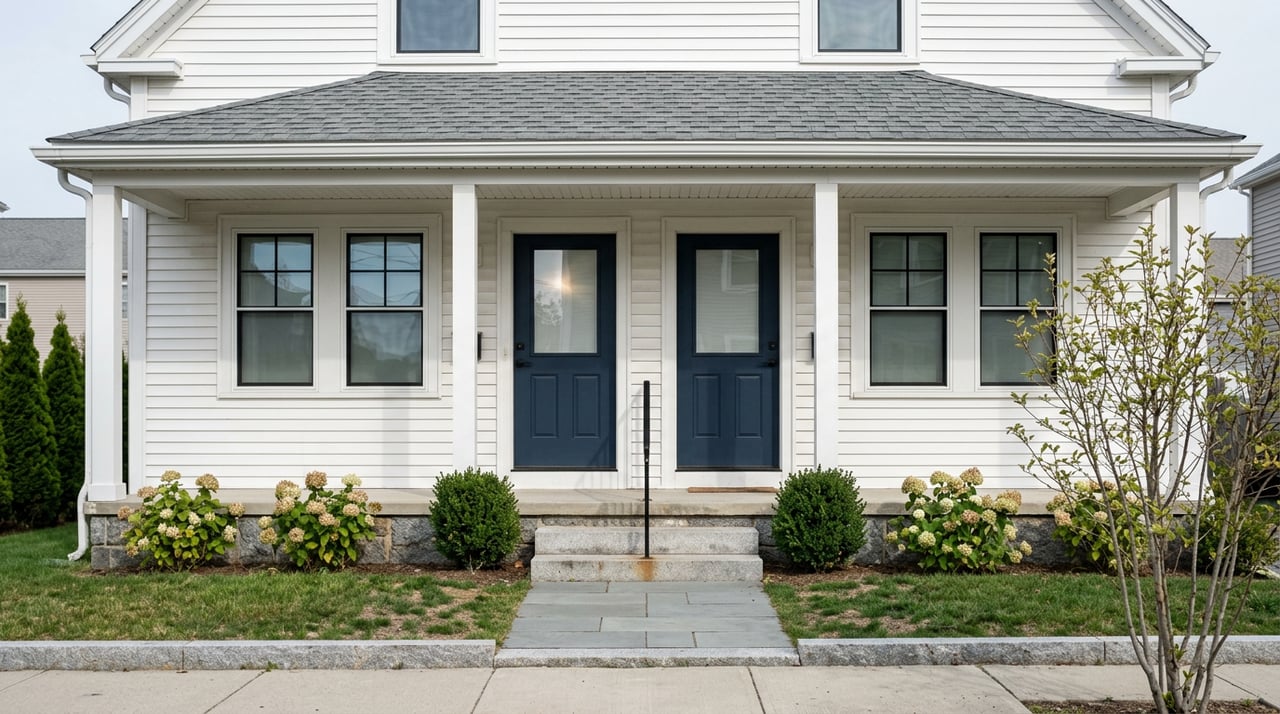
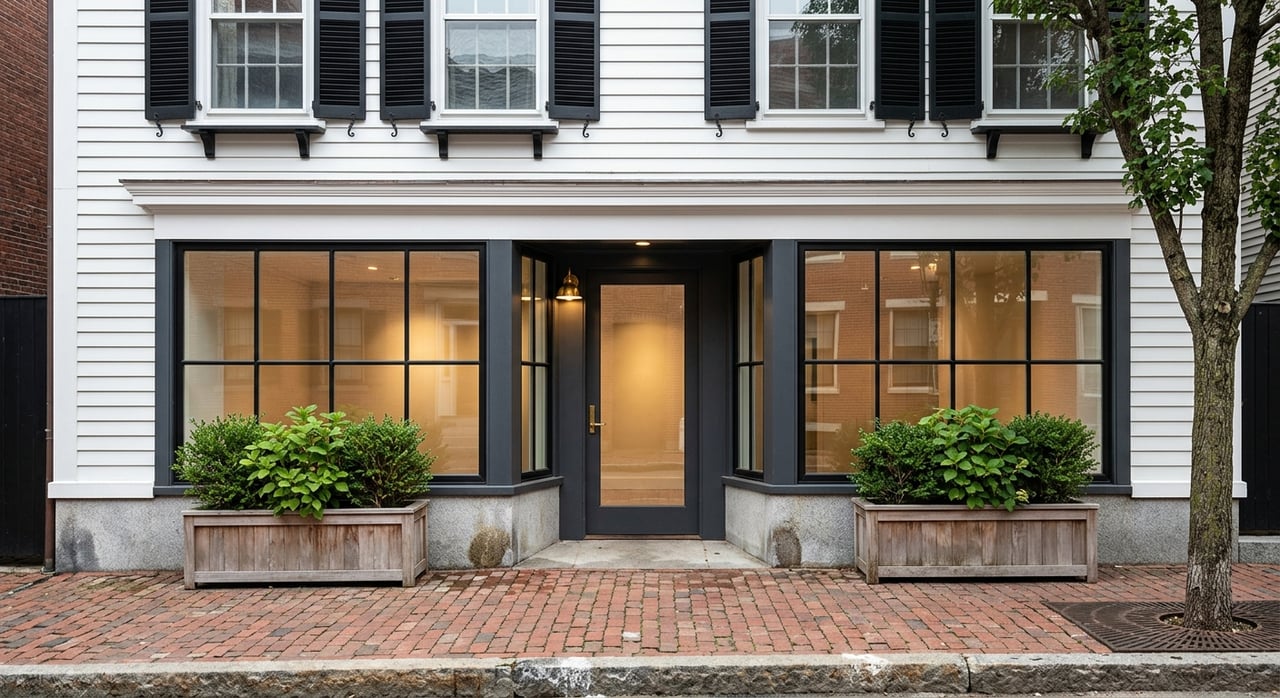
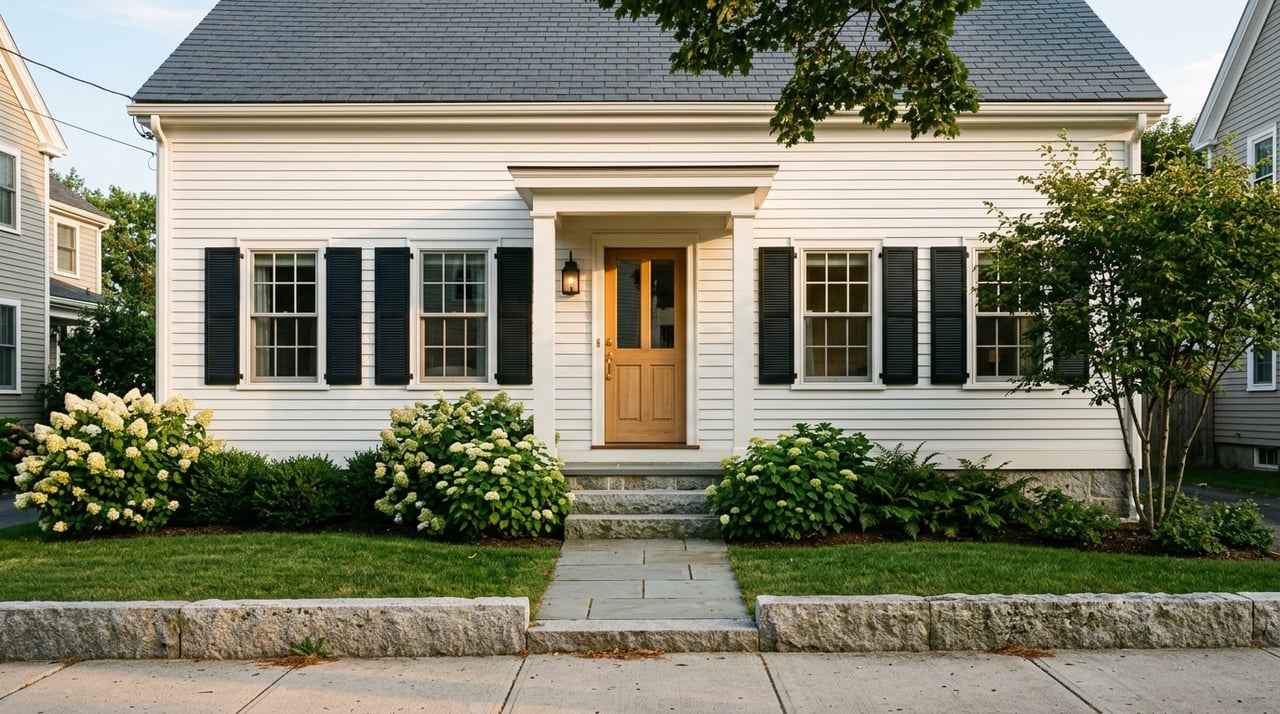
Most opportunities are duplexes and small buildings with 3 to 8 units. In-town streets near Maine Street in Brunswick and around Front Street in Bath include long‑standing multi‑unit buildings and single‑families converted to two or more apartments. You may also see two adjacent single‑family homes sold as one investment.
Ages and systems vary:
- Late‑19th to early‑20th century. Expect charming facades, tall ceilings, and porches alongside possible knob‑and‑tube wiring, older plumbing, and lead paint. These buildings often sit in or near historic districts, where exterior changes may require review.
- Mid‑20th century. These tend to have simpler mechanicals and layouts but can include older oil heat, dated panels, and insulation needs.
A simple way to compare: a 1900 duplex near downtown may carry a location premium and higher renovation risk, while a 1940s duplex on a quieter street may offer more predictable systems but less walkability appeal. Your underwriting should price both rent potential and capital needs.
Zoning, overlays, and STR rules to know
Before you pencil in an ADU or a conversion, confirm the rules for your parcel.
- Brunswick zoning. Review permitted uses, overlays, and recent amendments in the official ordinance. Shoreland and Flood Protection Overlays, plus ADU and affordable housing updates, can affect what you can add or alter. Start with the Brunswick Zoning Ordinance and confirm details with Code Enforcement.
- Bath land use code. Bath’s land use and historic district rules govern alterations, expansions, and site standards. Check requirements and permitted uses through Bath Codes Enforcement.
- Accessory Dwelling Units. Both towns address ADUs, but the specifics differ and amendments evolve. Verify what is allowed now before you underwrite an ADU into your returns. The Brunswick ordinance above includes its ADU section.
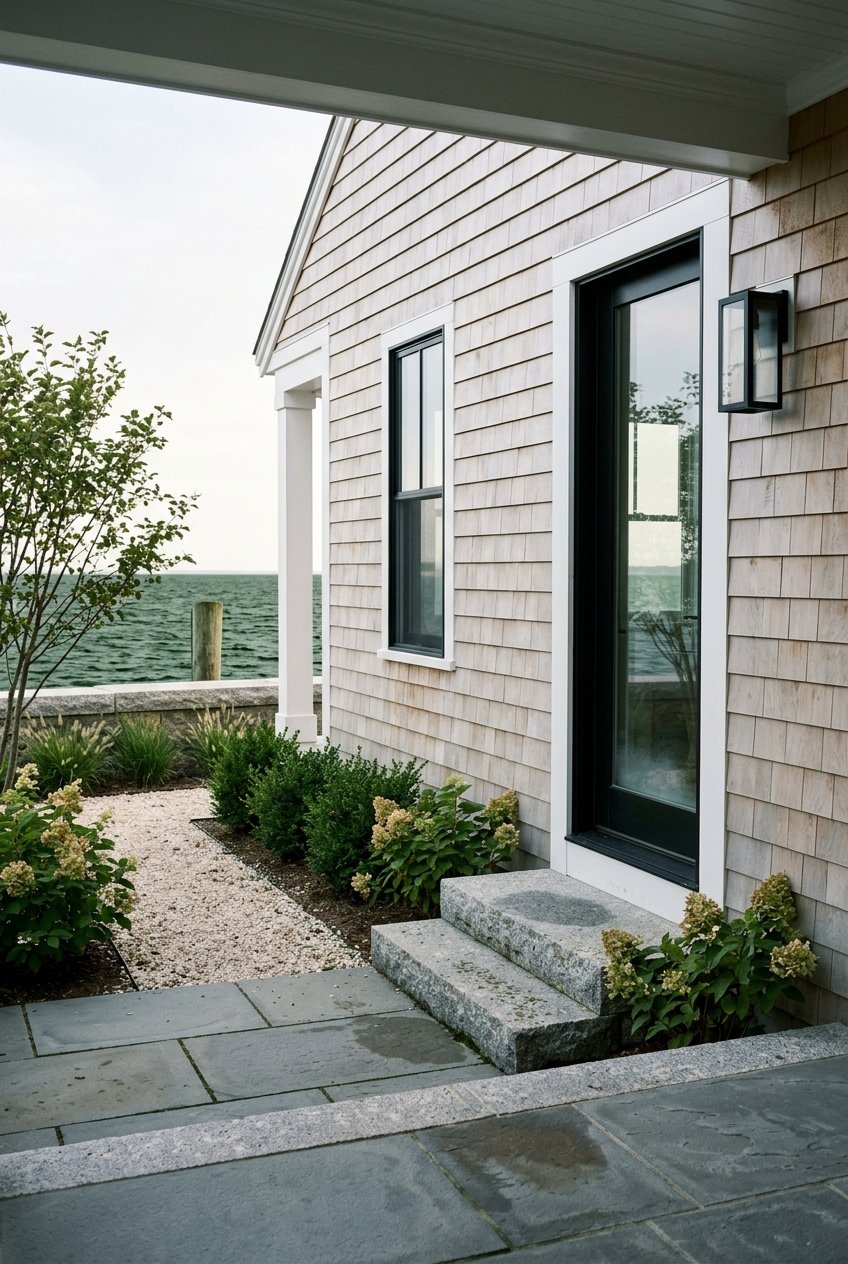
- Shoreland and flood overlays. Riverfront and near‑river parcels often sit in shoreland or flood overlays. These overlays set setbacks, lot coverage, and permit triggers and can change the feasibility or cost of porches, dormers, or unit additions. Brunswick’s ordinance includes the Flood Protection Overlay.
- Short‑term rentals. Bath has STR and bed‑and‑breakfast rules with registration and safety steps. Review current licensing language and fees before counting on STR income. A practical starting point is the Bath STR regulations summary, then verify directly with the city.
Tip: Put the parcel’s zoning district and overlays at the top of your site‑visit checklist. If the building is legal nonconforming, confirm that status early to avoid surprises.
Due‑diligence checklist for Brunswick and Bath multis
Use this quick list as you walk properties and draft offers. Flag oil tanks and sewer status as high‑priority items in Midcoast Maine.
A. Title, zoning, and occupancy
- Confirm the zoning district, number of legal units, and any nonconforming status. Ask about prior approvals and conditional uses. Start with the Brunswick Zoning Ordinance or Bath’s land use code, then verify with the municipal office.
B. Building systems and environmental
- Heating systems and fuel. Many properties use heating oil. Buried or aging oil tanks carry environmental and cost risks. Review the Maine DEP’s guidance and require documentation for any tank closures or replacements. See Maine DEP’s residential heating oil tank guidance.
- Sewer vs septic. Confirm if the building is on municipal sewer or a private system. In Brunswick, you can check connection status with the Brunswick Sewer District. If septic, review pumping records and system age and get a licensed inspection.
- Electrical and life safety. Older panels and wiring are common in pre‑war stock. Budget for panel upgrades, GFCIs, and smoke/CO compliance. Use a licensed electrician and confirm insurer requirements.
- Lead and asbestos. For pre‑1978 buildings, federal lead‑based paint disclosure is required and any disturbance of painted surfaces may trigger EPA RRP rules. Read the EPA lead‑based paint disclosure guidance.
- Pests. Maine law sets clear landlord duties on bedbug inspection and disclosure. Ask for treatment records during due diligence. Review the statute in Maine Title 14, bedbug responsibilities.
- Flood risk. Check FEMA maps and municipal overlays. Brunswick’s ordinance includes a Flood Protection Overlay that can affect insurance and what you can finish in a basement.
C. Leases, deposits, and tenant matters
- Collect current leases, rent roll, utility splits, and security deposit ledger. Maine law addresses how deposits are held and returned. Review Maine’s security deposit statute.
- Understand eviction timelines and procedures so you can plan for turnover or cure nonpayment. A clear summary of steps appears in the Maine eviction process overview.
D. Must‑have inspections to write into your offer
- General home inspection by a multifamily‑savvy inspector.
- Plumbing and sewer verification or septic inspection.
- Heating system service check and oil‑tank sweep if indicated.
- Electrical inspection for panel age, conductor type, and load.
- Lead risk assessment or RRP‑compliant plan for any renovation in pre‑1978 buildings.
Example underwriting framework
To compare multi‑unit options apples to apples, build a simple, conservative model first and add upside later.
Estimate gross scheduled rent. For a typical Brunswick 2‑bedroom duplex, you might see asking rents near $2,000 per unit based on recent market snapshots. That suggests $4,000 per month or $48,000 per year in gross scheduled rent. Cross‑check with ACS median rent for context and adjust down if the unit is dated or smaller.
Apply vacancy and collection loss. With tight markets, you may choose a low vacancy factor, but use a prudent allowance to cover normal turnover and leasing time.
Map operating expenses. Include property taxes, landlord insurance, water and sewer, heat or electric if owner paid, snow and landscaping, common‑area utilities, repairs and maintenance, and management if you are not self‑managing. Older buildings often need higher reserves for roofs, porches, wiring, or plumbing.
Derive NOI and a price target. Once you estimate net operating income, compare it to the asking or recent sale price to gauge the cap rate. In these towns, small multis commonly trade at modest cap rates typical of high‑demand New England communities. Always run a conservative case that uses lower rents and higher expenses, and an optimistic case that reflects market‑ready units.
Stress test. Check sensitivity to a 5 to 10 percent increase in insurance, taxes, and utilities. Add a capital reserve line for near‑term items like heating system replacement or panel upgrades.
This framework lets you compare a renovated 1940s duplex in Bath against a 1900s in‑town Brunswick duplex and see where you have better risk‑adjusted yield.
Financing paths for house‑hackers and investors
Owner‑occupants often have strong options on 2 to 4 units. FHA supports 1 to 4 units for owner‑occupied purchases. Conventional guidelines also allow owner‑occupant financing on 2 to 4 units, and late‑2023 updates created a 5 percent down path for qualifying buyers. Confirm product availability, reserves, and income treatment with your lender. For a clear summary of the change, review Fannie Mae’s 5 percent down option for multifamily homes.
If you plan to hold as a non‑owner investor, talk with local lenders about portfolio loans, rate buy‑downs, and reserves required for older buildings. Ask how they underwrite oil heat, electrical panel types, and flood insurance in shoreland areas.
How to de‑risk your purchase
A careful process helps you avoid costly surprises and protects your returns.
- Verify legal unit count and overlays before you offer. Use municipal code and conversations with Code Enforcement to confirm what you are actually buying.
- Front‑load inspections. Oil tanks, sewer or septic, and electrical systems are high‑impact items in Midcoast Maine. Price your offer with realistic repair budgets.
- Align your rent assumptions with condition. Use both asking rent benchmarks and ACS medians. Adjust for size, finish level, parking, and location.
- Keep insurance and flood exposure visible. Buildings near tidal or river corridors may see higher premiums and stricter lender requirements.
- Plan for historic district reviews. Exterior work in designated districts often requires permits and design review. Build that time and cost into your plan.
Next steps
- Pull zoning and overlay info for any target property using the Brunswick Zoning Ordinance or Bath’s land use code.
- Get preapproved and confirm your loan product if you plan to owner‑occupy a 2 to 4 unit. Review the 5 percent down route with your lender if applicable.
- Set your underwriting template and load in conservative rent and expense assumptions.
- Schedule a first‑look tour list and bring your due‑diligence checklist.
- Line up inspectors who know older Midcoast multifamily stock and can advise on tanks, wiring, and moisture.
If you are weighing Brunswick versus Bath or want help matching properties to your goals, reach out. With a legal background and local knowledge across Midcoast Maine, Adrianne Zahner can help you zero in on the right properties, structure a clean offer, and manage risk from offer through closing.
FAQs
What rents should I use to underwrite a Brunswick or Bath duplex?
- Use current asking rents for a go‑to‑market view and the ACS median gross rent for a conservative baseline; Brunswick’s median is about $1,341 per Census QuickFacts, while recent market snapshots show higher asking figures.
How strict are local rules on adding an ADU or converting space?
- Both towns allow ADUs but details vary and can change, so confirm feasibility in the Brunswick Zoning Ordinance or with Bath Codes Enforcement before you model that income.
What inspections should I never skip on older multis here?
- Prioritize an oil‑tank investigation, heating system service check, sewer or septic verification, an electrical inspection, and a lead‑safe plan for any pre‑1978 work per the EPA disclosure rule.
Can I operate a short‑term rental in Bath if I buy a multi‑unit?
- Bath requires licensing and compliance for STRs and similar uses, so review the current Bath STR regulations summary and verify requirements with the city before relying on STR income.
How much down payment do I need for an owner‑occupied 2 to 4 unit?
- FHA offers low‑down‑payment options, and conventional guidelines now allow as little as 5 percent down for qualifying buyers per Fannie Mae’s multifamily update; check specifics with your lender.
Do flood or shoreland overlays affect financing and renovations?
- Yes, overlays can trigger higher insurance costs and limit expansions or finished basements, so review parcel overlays in the Brunswick Zoning Ordinance or Bath’s code and discuss with your lender and insurer.