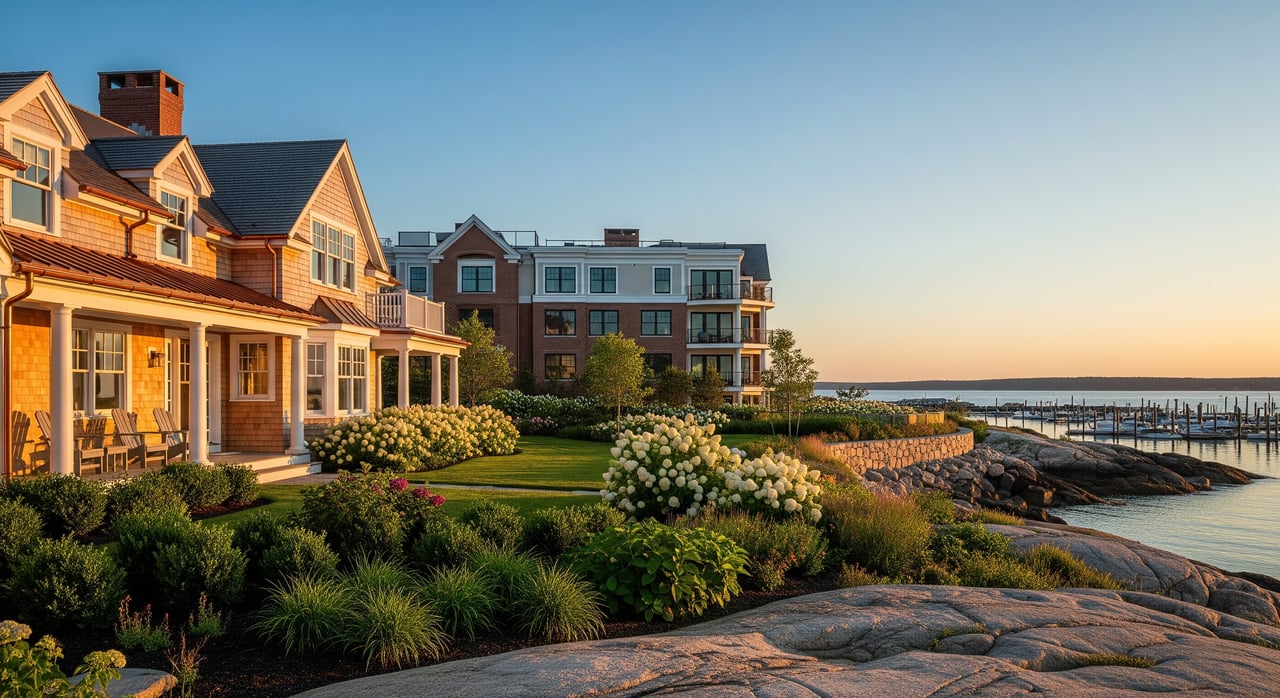
Freeport Condo vs House: Which Home Truly Fits You?
January 1, 2026
January 1, 2026
Trying to choose between a low-maintenance condo and a stand-alone home in Freeport? With coastal weather, active retail, and an easy commute to Portland, the right fit comes down to how you want to live, what you want to maintain, and how you plan to finance and insure your property. In this guide, you’ll compare costs, governance, insurance, and resale factors specific to Freeport, plus grab simple checklists and local resources. Let’s dive in.
Freeport’s location puts you within roughly 20 to 35 minutes of Portland by car, depending on start and end points and traffic. If you prefer rail, the Amtrak Downeaster service in Freeport offers another commuter option. Around town, you’ll find strong retail anchored by L.L. Bean and popular outlets, plus access to boating, fishing, and trails.
These amenities draw a mix of year-round residents, second-home owners, and seasonal visitors. If you want a simple lock-and-leave lifestyle near downtown, a condo can work well. If you want privacy, a yard, or room for projects, a single-family home may be the better fit.
Coastal weather and cold winters matter. Condos often include snow removal and exterior care, which lightens your workload in winter. Single-family homes give you full control, but you shoulder snow removal, roof and siding care, and storm prep. For second homes, a condo’s managed services can simplify off-season monitoring.
Both condos and single-family homes come with a purchase price, down payment, and closing costs. Condos sometimes have a lower price point in the same market segment, but HOA fees are part of your monthly budget. Lenders typically count HOA fees as debt when qualifying you for a mortgage.
To understand recent pricing and inventory by property type, review county or local snapshots from the Maine Association of REALTORS.
For single-family homes, a common rule of thumb is to budget about 1 percent of the home’s value per year for maintenance. Older coastal homes can require more due to salt exposure and aging systems. For condos, your maintenance risk shifts to the association. You’ll want to review the budget, reserve study, and financial statements to judge whether future special assessments are likely.
Key items to check:
Freeport’s shoreline areas may fall within FEMA flood zones. If a property is in a Special Flood Hazard Area and you carry a mortgage, flood insurance is typically required. Start with a flood zone lookup and talk with an insurance professional.
If you plan seasonal use, budget for winterization, remote monitoring, and potential vacant-home policy requirements.
Condo ownership includes shared rules and budgets. Before you buy, request and read:
High delinquencies, ongoing litigation, or major deferred maintenance can affect both enjoyment and resale.
Lender requirements differ for condos and single-family homes. Many condo buyers need a project that meets Fannie Mae, Freddie Mac, FHA, or VA criteria. High investor ratios, construction issues, or low reserves can complicate approvals. If you are using FHA or VA financing, verify the condo’s approval status early.
For mortgage basics and condo considerations, start with the Consumer Financial Protection Bureau’s guidance. To understand federal condo project rules, check HUD’s FHA condo resources.
Remember, HOA fees are considered in your debt-to-income ratio. If a special assessment is pending, ask your lender how it affects qualification.
Single-family homes offer fewer community-level restrictions, but local ordinances still matter. Review zoning, shoreland setbacks, and septic or wastewater rules before you commit. Shoreline properties may fall under state and local shoreland zoning that limits expansions and certain improvements. Start with the Town of Freeport’s planning and code resources and the Maine Department of Environmental Protection’s shoreland zoning page.
If you are weighing short-term rentals, check Freeport’s current ordinance and any condo bylaws that govern rentals.
Condos often appeal to downsizers, commuters, and second-home owners who want a smaller footprint and less exterior maintenance. Proximity to downtown amenities and managed services support a lock-and-leave lifestyle. For resale, buyers value stable association finances and transparent governance.
Single-family homes attract buyers wanting more space, a yard, privacy, or room for expansion and storage. Waterfront or water-access properties can be especially compelling. For resale, lot quality, permitted uses, and condition of major systems are key.
Across both property types, location and condition lead. You can strengthen resale prospects by:
For a sense of property taxes and assessments, consult the Cumberland County resources and Freeport’s assessor pages via the Town of Freeport site.
Choosing between a condo and a single-family home in Freeport is not just about price. It is about how you want to live by the coast, what you want to maintain, and how your financing and insurance will work. If you want a calm, clear plan tailored to your goals, connect with Adrianne Zahner for guidance that blends local insight with careful, contract-savvy representation.
Stay up to date on the latest real estate trends.

Whether you’re buying your first home, upgrading to something new, or selling a beloved property, I’m here to provide expert guidance, clear communication, and thoughtful advocacy. I’m ready to help you take the next step.
Adrianne Zahner
Legacy Properties Sotheby’s International Realty 40 Main St Damariscotta ME 04543