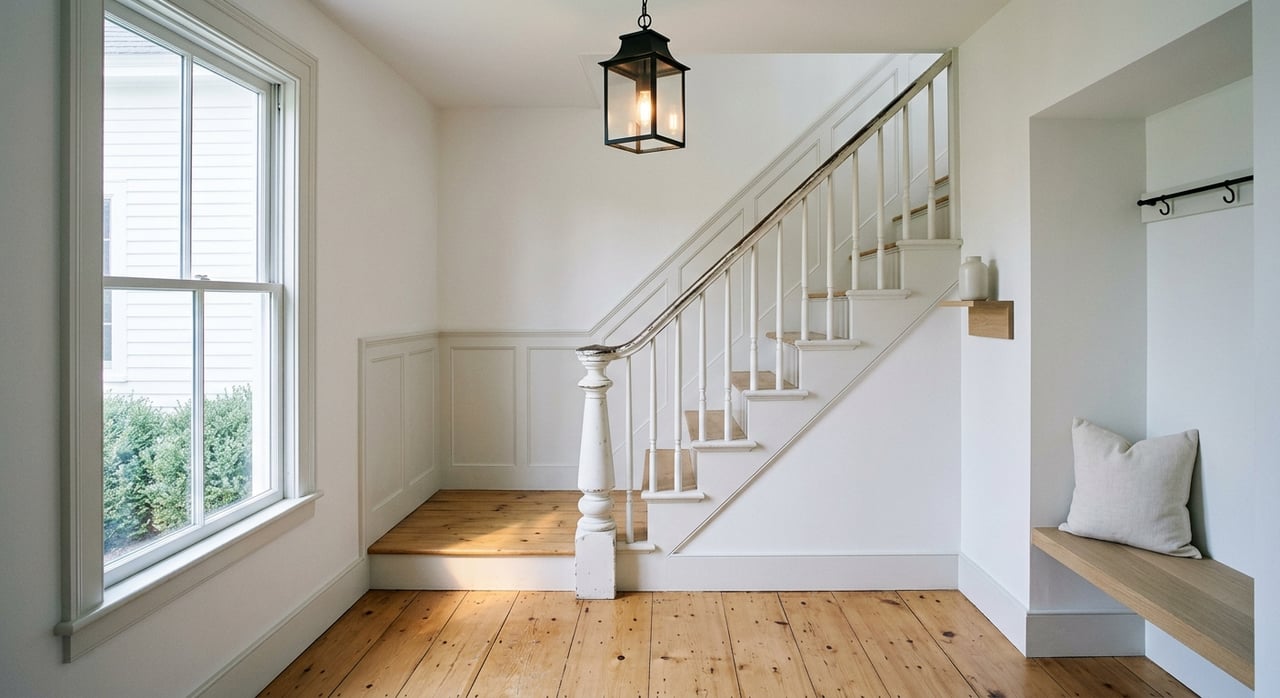
How to Prepare Your Historic Home to Sell in Damariscotta & Newcastle
April 23, 2026
April 23, 2026
Wondering how much prep a historic home really needs before it hits the market in Damariscotta or Newcastle? In these two Midcoast communities, buyers often see age and character as part of the appeal, but they also want clear answers about condition, permits, systems, and any local review rules that may affect the property. If you are getting ready to sell, a thoughtful pre-listing plan can help you protect the home’s story while reducing surprises during inspection, appraisal, and negotiation. Let’s dive in.
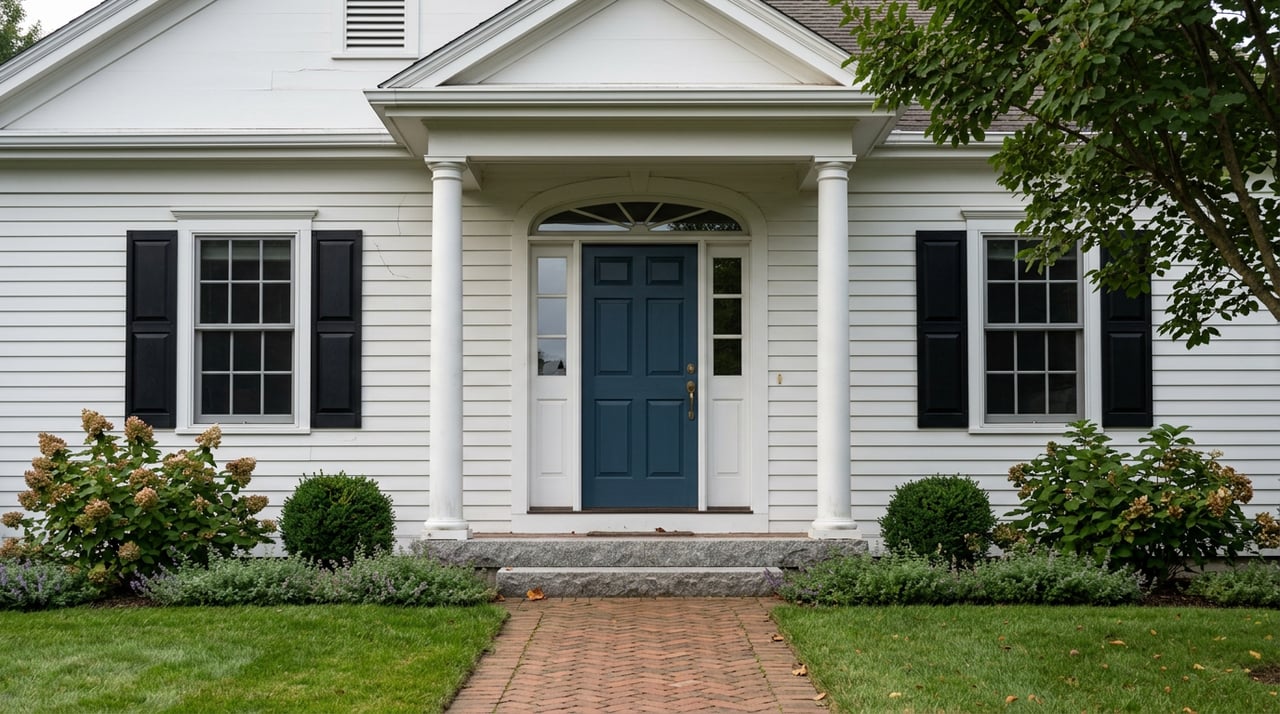
Damariscotta and Newcastle have deep architectural roots, and that history shapes buyer expectations today. Damariscotta’s comprehensive plan notes that much of Lower Main Street was built by 1875 and highlights Federal, Greek Revival, and Italianate architecture, along with the Main Street Historic District and the Damariscotta Shell Midden Historic District.
Newcastle has its own preservation context. The town includes the Frances Perkins Homestead National Historic Landmark and National Monument, and its zoning framework defines a Historic Special District with many 19th-century houses. For sellers, that means your home’s age can be a strength, but only if the property is presented accurately and backed up with documentation.
Before you make exterior updates or describe future possibilities in your marketing, confirm whether your home falls within a locally regulated historic area. In Damariscotta, the town’s ordinances include a Historic Preservation Ordinance, and the comprehensive plan states that alterations, demolition, or replacement in the Main Street Historic District are reviewed by the Historic Preservation Review Committee.
In Newcastle, the Historic Special District is intended to preserve historically distinct areas. The town’s demolition provisions also apply to structures that existed on or before 1900, with a 90-day delay and documentation requirements for demolition proposals. You can review those local rules through the town’s ordinance resources.
This step matters because many buyers will ask a simple question early: What can be changed here, and what review may be required? It is much better to answer that with records than with guesswork.
One of the smartest ways to prepare a historic home for sale is to gather the paper trail early. Damariscotta’s Assessors’ Office resources include tax maps, valuation lists, deeds, transfer tax forms, and property cards, while deed searches are also available through the Lincoln County Registry of Deeds. Newcastle also maintains public records through the Town Clerk and publishes tax maps and commitment books.
These records help you confirm what was built, transferred, or permitted over time. They can also support a cleaner listing file when buyers start asking about additions, boundaries, prior work, or the age of key systems.
A useful pre-listing record packet often includes:
If your home is near the river, marsh, or another shoreland area, do not wait until a buyer asks questions. Damariscotta’s Code Enforcement Office provides building and shoreland zoning permit forms along with access to the state septic permit search. Newcastle’s code enforcement materials also point owners to the state septic permit search and note that its shoreland zoning ordinance was amended in 2024.
Flood disclosure is separate and important. Under Maine’s residential disclosure law, sellers must disclose flood hazard information, including flood zone status, flood events, damage, insurance claims, and disaster assistance history. If your property has any shoreline, marsh, or low-lying exposure, having those facts organized in advance can help keep the transaction steady.
Older homes usually come with more questions, not because they are flawed, but because they have had more time to evolve. Maine’s residential property disclosure statute requires sellers to provide information on the water system, heating source, waste disposal system, hazardous materials, known defects, access, and flood hazard.
For homes with private wells or septic systems, the form goes further. It asks for details such as system type, location, service history, malfunction history, and information tied to shoreland settings. For a historic property, this is often where preparation pays off most.
The same disclosure law specifically references hazardous materials and conditions such as:
The goal is not to make an older home seem risky. The goal is to present it honestly, with enough supporting information that buyers can evaluate the property with confidence.
If your home was built before 1978, lead-based paint disclosure is a core part of the sale process. According to the EPA’s lead disclosure requirements, sellers of most pre-1978 housing must provide the lead hazard information pamphlet, disclose known lead information and records, include the required warning statement, and give buyers a 10-day opportunity to conduct a lead inspection unless that right is waived.
The EPA also notes an important distinction: the hazard is deteriorating lead paint, not simply the fact that older paint may exist. For sellers, that means deferred maintenance around peeling, chipping, or damaged painted surfaces deserves attention before the home goes live.
Radon is a common point of concern in Maine, and buyers know it. The Maine CDC’s radon FAQ states that radon problems have been found in all parts of Maine and in all types of homes.
The same guidance says that when a home is for sale, the radon test must be conducted by a Maine-registered radon tester. A realtor or buyer may not perform the test. If you want fewer surprises during escrow, pre-listing radon testing can give you clearer footing before negotiations begin.
Many Midcoast properties rely on private septic systems, and older homes can have systems that buyers want examined closely. The Maine CDC’s subsurface wastewater guidance explains that its voluntary inspection process is designed to provide information about the age, status, and general condition of a system.
That same guidance notes a key transfer rule: properties with septic systems in the shoreland zone must have an inspection by a certified individual at transfer. Inspection reports can identify whether a design plan and plumbing permit exist, describe system condition, and note malfunctions or surface discharges that need correction. For a historic home near the water, this is one of the most important boxes to check early.
Asbestos can come up in insulation, flooring, siding, pipe wrap, and other materials found in older homes. In Maine, sellers have a specific disclosure obligation here. The Maine Department of Environmental Protection states that the seller of residential real property must disclose the presence or prior removal of asbestos in the property disclosure statement.
This is another area where records matter. If asbestos was identified, encapsulated, or removed in the past, gather that documentation before the listing launches.
Historic-home buyers are often drawn to craftsmanship, period detail, and a strong sense of place. At the same time, they usually want to know how the home functions today and what has changed over time. The better your file is, the easier it is to answer those questions calmly and clearly.
Expect buyers to ask:
There is also a common misunderstanding worth clearing up. As noted in Damariscotta’s planning materials, National Register listing by itself does not automatically prevent changes or demolition. In practice, the relevant restrictions usually come from local ordinances and, in some cases, review tied to tax-credit programs.
If your home was rehabilitated using preservation incentives, that paperwork should be part of your listing package. The Maine Historic Preservation Commission says the federal historic rehabilitation credit is 20%, and Maine’s program includes a 25% credit for qualifying rehabilitation, with higher percentages for certain rural and affordable-housing projects.
For a buyer, those records can help explain the scope and intent of prior improvements. They can also support a more accurate understanding of how the property has been stewarded.
Some sellers also need to prepare for withholding rules before closing. If you are a nonresident selling Maine real estate for $100,000 or more, Maine Revenue Services states that the buyer generally withholds 2.5% of the sale price unless an exemption or reduction applies.
This is the kind of detail that can surprise a seller late in the process if it is not addressed up front. Historic sales often already involve more documents and more due diligence, so it helps to resolve tax questions early too.
Preparing a historic home to sell is not about stripping away age or polishing every surface until the home loses its character. It is about combining careful documentation, honest disclosure, and thoughtful presentation so buyers can appreciate both the charm and the stewardship behind the property.
In Damariscotta and Newcastle, that approach tends to resonate. These are markets where architectural history matters, and where a well-prepared seller can reduce uncertainty without losing the soul of the home.
If you are thinking about selling a heritage property in Midcoast Maine, working with an advisor who understands both the story and the structure of the transaction can make the process much smoother. To talk through timing, documentation, and next steps, connect with Adrianne Zahner.
Stay up to date on the latest real estate trends.





Whether you’re buying your first home, upgrading to something new, or selling a beloved property, I’m here to provide expert guidance, clear communication, and thoughtful advocacy. I’m ready to help you take the next step.

Adrianne Zahner
Legacy Properties Sotheby’s International Realty 40 Main St Damariscotta ME 04543