Freeport Coastal Villages Lifestyle for Second-Home Buyers
June 25, 2026
June 25, 2026
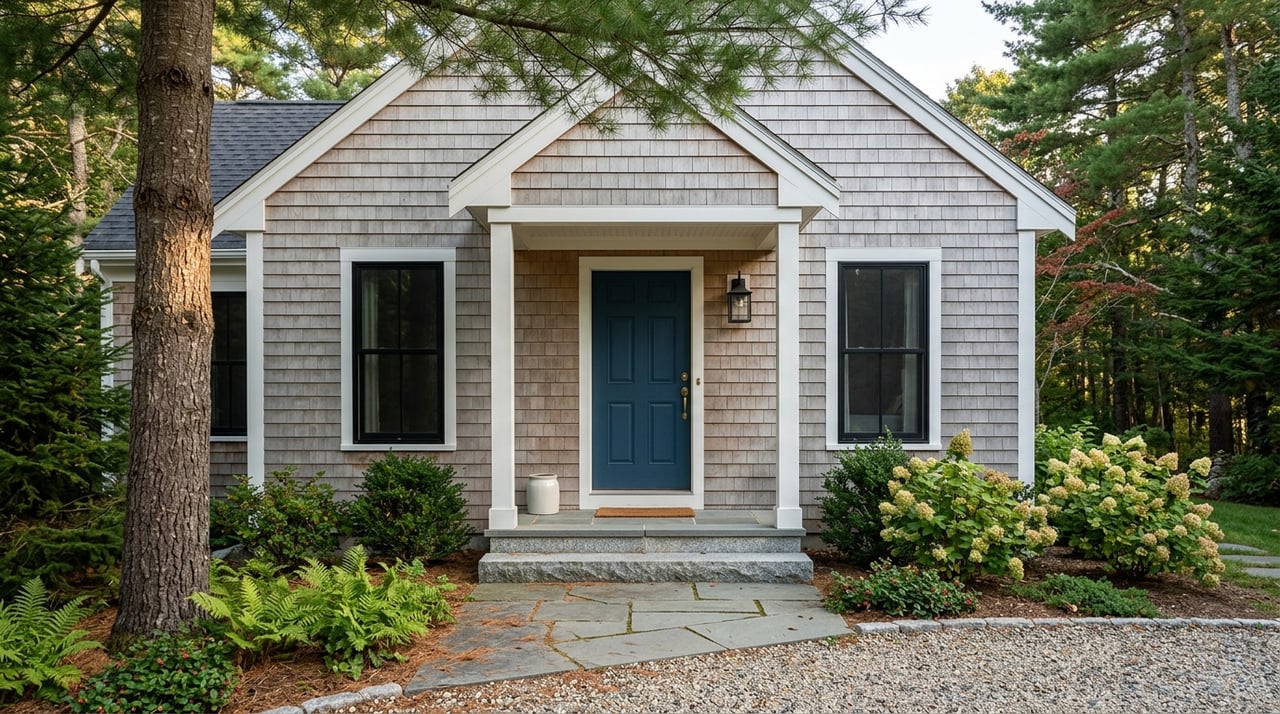
Thinking about a second home on the Maine coast, but not sure whether you want a walkable village, a harbor setting, or a quieter place near the water? Freeport gives you a surprisingly wide range of options within one small coastal area. If you are comparing locations for lifestyle, home style, and seasonal use, this guide will help you understand what sets Freeport and its nearby coastal villages apart. Let’s dive in.
Freeport stands out because it blends village convenience with coastal access and rural scenery. The town’s 2025 Comprehensive Plan describes Freeport as a place shaped by coastal beauty, historic character, rural landscapes, and recreation, with future growth focused in the Downtown Village and along Route 1 while rural lands are preserved.
That matters if you are buying a second home. It means you can explore a compact in-town setting, quieter wooded areas, and shore-adjacent pockets without losing the broader sense of place that draws many buyers to coastal Maine.
Visit Freeport also frames the town as a historic coastal village on Casco Bay with outlets, boutiques, and local Maine dining. For many second-home buyers, that mix creates a practical balance between getaway appeal and everyday convenience.
If you want to park the car and enjoy a more connected lifestyle, downtown Freeport may be the first place to look. Local planning for the village corridor is centered on improving walking, biking, transit, and housing along the Route 1 and Main Street spine while keeping the area compact and connected.
For you, that can translate into an in-town experience shaped by village streets, restaurants, inns, shops, and day-to-day services. It is a setting that may feel especially appealing if your second home is meant to be easy to use for long weekends and shorter stays.
If privacy and a quieter atmosphere matter more, Freeport also offers edge-of-town settings shaped by open land and rural character. Town planning documents clearly emphasize protecting rural landscapes and open lands, which helps explain the appeal of wooded-lot properties and lower-density areas.
This side of Freeport often attracts buyers who want a second home that feels tucked away, even while staying within reach of the village. It can also suit buyers who place a premium on outdoor access and a calmer daily rhythm.
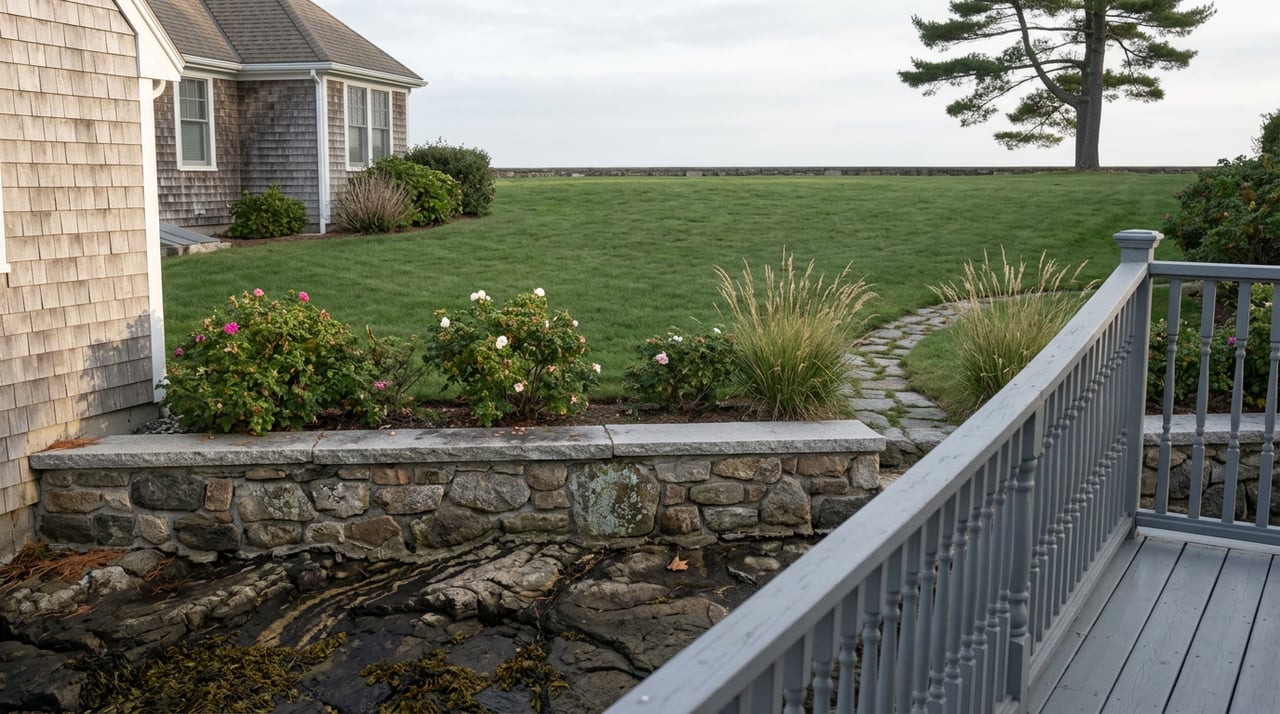
Freeport’s coastline is not defined by one large beach district. Instead, the local pattern is a mix of harbor-side pockets, river access, and shoreline recreation.
The coastal public-access guide identifies shore-adjacent points such as Town Wharf, Dunning Boat Yard, Wolfe’s Neck Center, and Wolfe’s Neck Woods State Park. For second-home buyers, that often means the coastal experience here feels layered and local rather than concentrated in a single waterfront strip.
Among Freeport’s nearby pockets, South Freeport has the clearest harbor-and-marina identity. The state’s coastal access guide notes that Freeport Town Wharf provides deepwater access to Casco Bay, with a marina, lobster pound, and restaurants nearby.
That setting may appeal to you if your second-home wish list includes working waterfront character and regular proximity to boating activity. It has a more distinctly harbor-oriented feel than downtown Freeport, while still being part of the same town.
Dunning Boat Yard adds access to the upper Harraseeket River, though the guide notes that it becomes tide-sensitive at low water. That detail helps show how local water access can shape daily use and seasonal habits in this area.
South Freeport also reflects Maine’s seasonal rhythm in a very visible way. Harraseeket Lunch & Lobster, a long-running seasonal waterfront landmark, serves from May through October, adding to the area’s summer and shoulder-season draw.
If you want to stay near Freeport but broaden your search, Yarmouth offers a different coastal pattern. Its 2024 Comprehensive Plan describes a compact, walkable village center with a rural and coastal hinterland, along with year-round island communities on Cousins Island and Littlejohn Island.
That gives you a wider range of settings to compare. You may find yourself choosing between a more traditional village environment and an island-linked lifestyle with a distinct relationship to the water.
The coastal access guide also notes that Yarmouth’s Town Landing has an all-tide paved launch ramp and floats for commercial and recreational boaters on the Royal River estuary. For buyers who expect boating access to be part of second-home use, that can be an important piece of the location puzzle.
Cumberland Foreside offers another nearby option with a more residential shoreline feel. Cumberland’s official website identifies it as the town’s coastal mainland area, with public waterfront access at Broad Cove Reserve.
Broad Cove Reserve supports walking, hiking, snowshoeing, kayaking, swimming, and nature observation. Those amenities help define the area as quieter and outdoors-focused, which may resonate if you want your second home to feel restorative rather than busy.
Compared with downtown Freeport or harbor-centered South Freeport, Cumberland Foreside may feel more subtle in how it delivers the coast. For some buyers, that is exactly the appeal.
A second home is not only about the house. In this part of Maine, outdoor access plays a major role in how the property feels across the year.
Wolfe’s Neck Woods State Park is one of the area’s defining amenities. Maine’s coastal access guide describes five miles of trails through white pine and hemlock, along with views of Little River Bay and the Harraseeket River, plus year-round access for hiking, skiing, and snowshoeing.
That year-round access matters if you plan to use your home beyond the peak summer season. State park materials also highlight rocky shoreline scenery and nesting ospreys, which helps explain why the area holds appeal in shoulder seasons and quieter months.
Wolfe’s Neck Center adds another layer to the local lifestyle. The guide describes it as a nonprofit organic coastal farm with trails, kayak and bike rentals, more than 150 campsites, three oceanfront cabins, and a hand-carry beach launch.
Together, these amenities support a lifestyle that can feel active in summer while still grounded and calm outside peak season. If your goal is a second home that stays enjoyable year-round, Freeport has strong lifestyle fundamentals.
The dining scene also helps shape what second-home ownership feels like here. Visit Freeport highlights local Maine restaurants, lobster, seafood, and farm-fresh dining, all of which reinforce the town’s coastal identity.
You will also find a mix of seasonal and year-round options. Harraseeket Lunch & Lobster brings a seasonal waterfront experience, while Maine Beer Company’s Freeport tasting room offers a year-round gathering spot with indoor and outdoor seating.
Porter Kitchen + Bar inside the Harraseeket Inn adds another village-center option. For you, that mix can make a difference if you want both summer energy and enough year-round activity to support off-season visits.
If you are beginning your search, it helps to know what kinds of homes are most common in Freeport. Town housing data show that single-family homes made up 77.7% of Freeport’s housing stock in 2022, and the town notes that single-family permits have historically been the most common building-permit type.
In practical terms, that means detached houses are likely to be the first and most common option you encounter. Depending on where you look, those may range from village-adjacent homes to wooded properties and homes near harbor or shoreline access.
At the same time, Freeport’s planning direction encourages smaller missing-middle formats such as duplexes, triplexes, and townhouses in village-scale areas. The zoning ordinance also permits single-family and duplex forms.
Taken together, these planning signals suggest that you are most likely to see detached homes first, with some smaller in-town or multi-unit options in designated growth areas. If flexibility matters, that can be useful when comparing maintenance needs, lock-and-leave convenience, and how often you plan to use the property.
The best second-home location often comes down to how you want to spend your time. Freeport and its nearby coastal villages offer a clear spectrum, from walkable village living to harbor-side pockets, wooded settings, and nearby coastal communities with their own character.
As you narrow your search, it helps to think about a few practical questions:
Those answers can quickly point you toward downtown Freeport, South Freeport, Yarmouth, Cumberland Foreside, or a more rural pocket nearby.
Buying a second home is about more than square footage. It is about finding a place that supports the pace, scenery, and seasonal rhythm you want to return to again and again.
If you are exploring Freeport or nearby coastal villages for a second home, Adrianne Zahner can help you compare locations, property types, and lifestyle tradeoffs with calm, locally informed guidance.
Stay up to date on the latest real estate trends.
Whether you’re buying your first home, upgrading to something new, or selling a beloved property, I’m here to provide expert guidance, clear communication, and thoughtful advocacy. I’m ready to help you take the next step.
Adrianne Zahner
Legacy Properties Sotheby’s International Realty 40 Main St Damariscotta ME 04543