Damariscotta Waterfront vs Village: Which Fits You?
June 18, 2026
June 18, 2026
If you are torn between a village home and a waterfront property in Damariscotta or Newcastle, you are not alone. This is one of the most common lifestyle decisions buyers face in this part of Midcoast Maine, and the right answer usually depends less on the view and more on how you want to live day to day. If you understand the tradeoffs around convenience, privacy, access, and property complexity, your decision becomes much clearer. Let’s dive in.
Damariscotta and Newcastle offer two distinct ways to live, but they are closely connected. Damariscotta describes itself as a Mid-Coast focal point with schools, hospitals, libraries, arts, and a three-season waterfront with boat landing and harbor access, while Newcastle identifies its village as the center for many civic, health, education, cultural, and everyday needs.
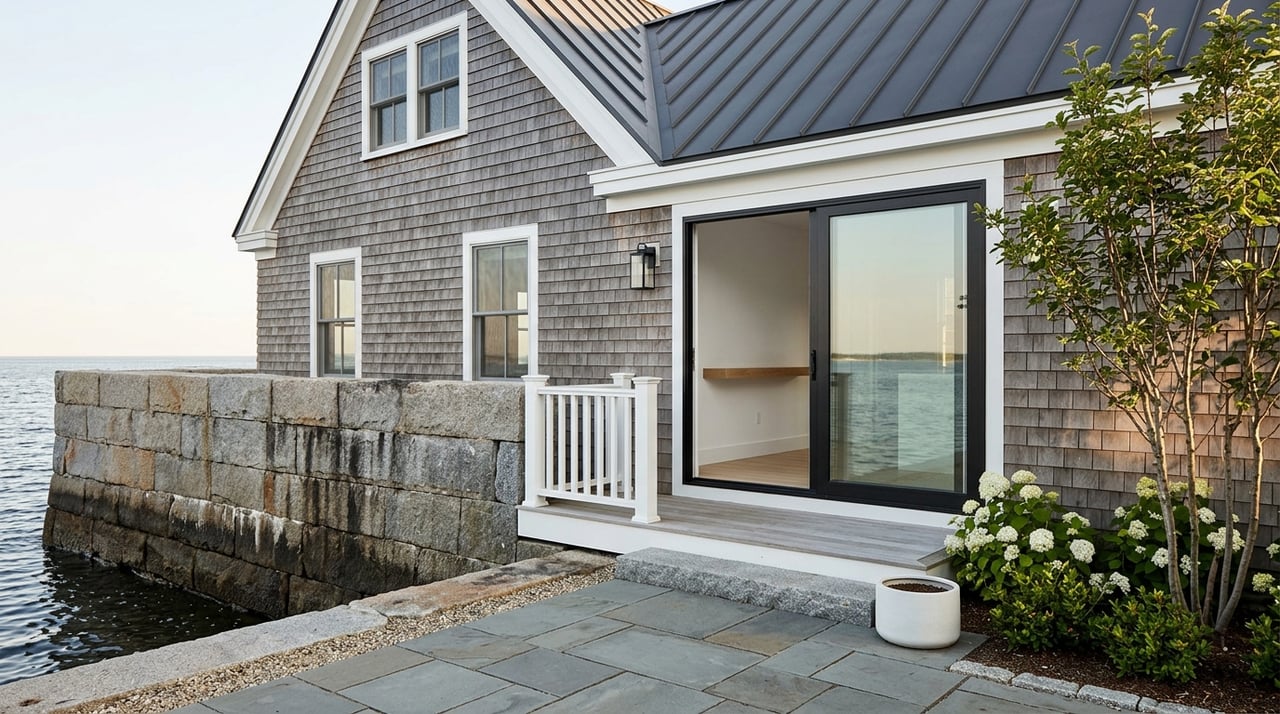
That local context matters because “waterfront” here does not usually mean exposed oceanfront. Damariscotta sits near the head of the Damariscotta River and about 12 miles from the ocean, so many waterfront properties are tied to river, harbor, bay, or pond access instead.
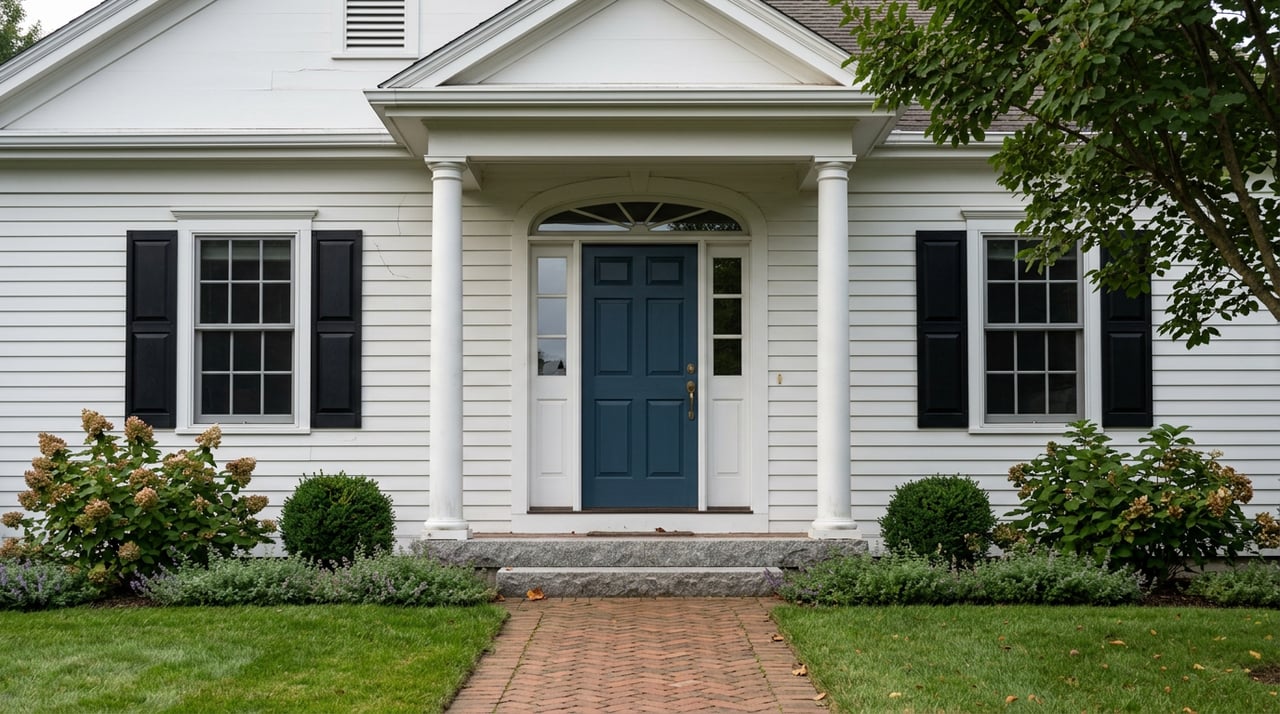
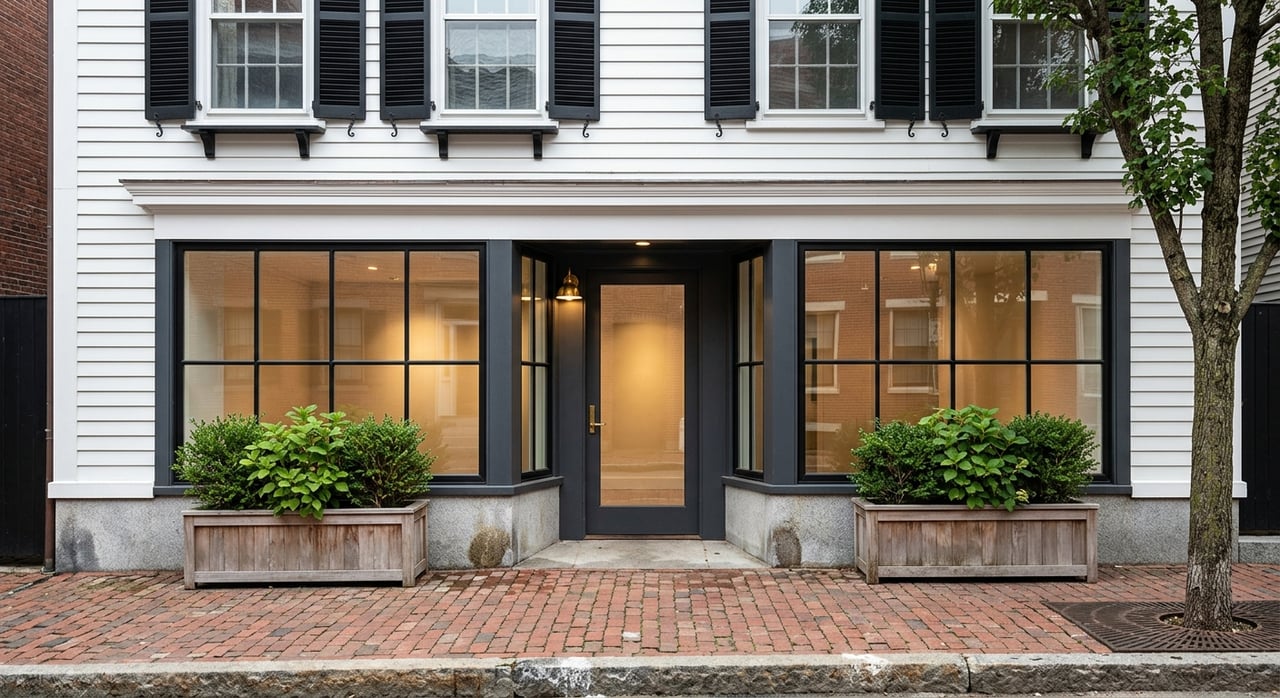
In Damariscotta and Newcastle, village homes often sit in traditional in-town settings. Local planning materials describe downtown Damariscotta as a traditional village on the river with retail, office, restaurant, and nonprofit uses, plus some upper-floor housing and higher-density residential areas around the core.
Newcastle’s village is described as an intact historic neighborhood with small houses on smaller lots, larger estate-lot homes, narrow streets and lanes, and older accessory structures like barns and carriage houses. In practical terms, that means your options may include historic single-family homes, compact neighborhood houses, or mixed-use buildings with housing above commercial space.
The biggest draw of village living is convenience. Damariscotta’s planning documents note that downtown supports walking and biking between nearby destinations, and the town highlights the appeal of modern conveniences in a historic setting.
If you want to be closer to shops, dining, services, harbor activity, and everyday errands, village living can simplify your routine. It can also be a strong fit if you plan to live here year-round and want easier access to the places you use most often.
The tradeoff is usually space and privacy. Smaller lots and homes that sit closer together are common in traditional village settings, especially near the center.
You may also find narrower streets, more nearby activity, and less separation from neighbors than you would on a larger shoreline parcel. For many buyers, that is a fair exchange for walkability and a more connected daily rhythm.
Waterfront in Damariscotta and Newcastle comes in several forms. Local planning documents reference the Damariscotta River, Great Salt Bay, the tidal Sheepscot River, and waterfront opportunities on Biscay Pond, Muddy Pond, Pemaquid Pond, and Cottage Point.
That means waterfront here can include riverfront homes, pondfront cottages, and larger shoreline parcels. Some properties feel close to village life, while others feel more private and retreat-like.
For many buyers, the appeal is straightforward. You may gain direct water access, broad views, a stronger sense of privacy, and a setting that feels more removed from the pace of town.
This can be especially appealing if you are looking for a second home, a seasonal retreat, or a property that centers outdoor time and scenery. In this market, waterfront often offers a distinct sense of place that is hard to replicate in town.
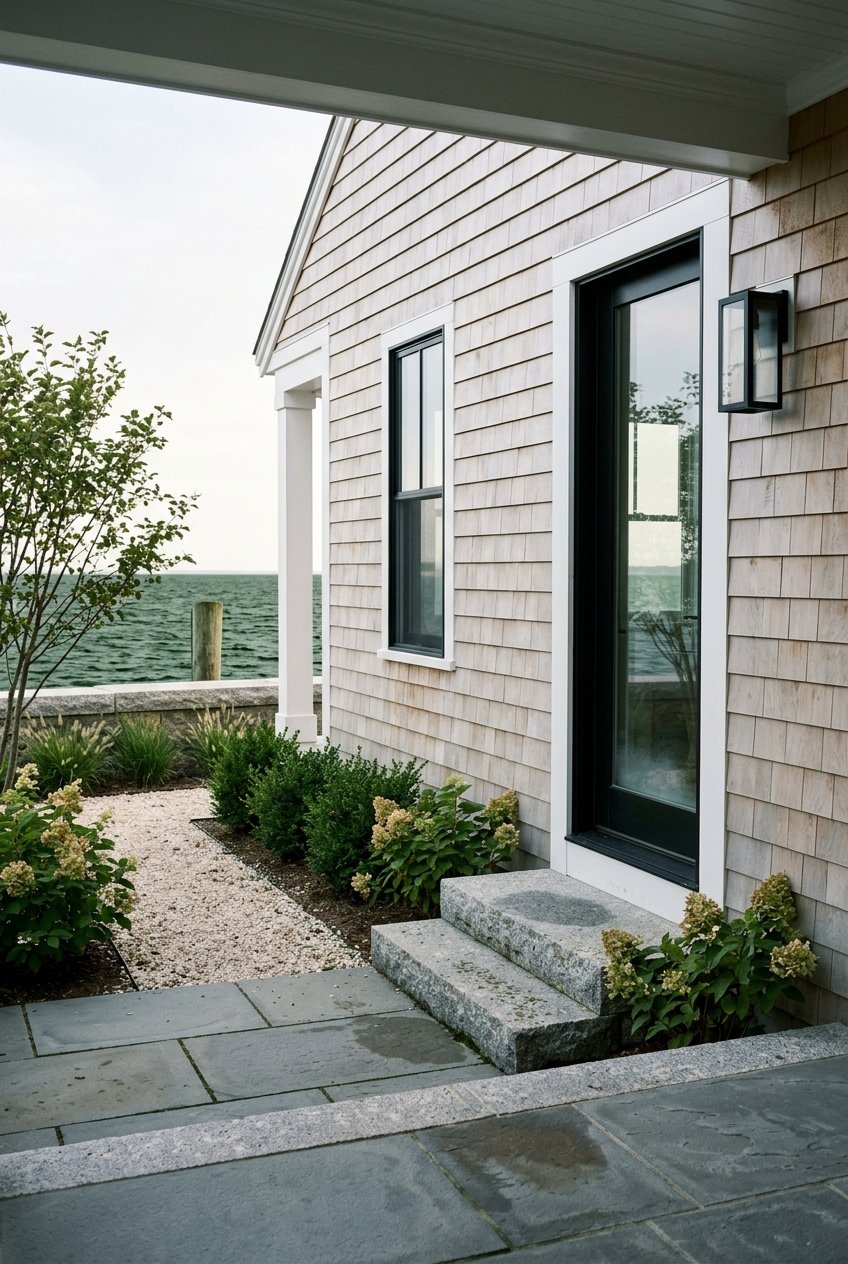
The main tradeoff is complexity. Waterfront ownership in this area can involve more site-specific questions about shoreline conditions, access, flood exposure, drainage, and long-term resilience.
Damariscotta’s waterfront planning specifically addresses sea-level rise and storm surge, including floodwall and stormwater work. Even when a property is not on exposed ocean frontage, resilience and maintenance deserve close review.
When buyers struggle with this decision, it often helps to focus on routines instead of features. Ask yourself where you want your time and attention to go after closing.
If you picture walking to nearby destinations, being close to services, and keeping property upkeep more straightforward, a village home may fit better. If you picture time on the water, more separation, and a setting that feels like an escape, waterfront may be worth the added complexity.
Before you decide, it is important to understand that waterfront buying often involves a different layer of review. Maine’s shoreland zoning law applies within 250 feet of rivers, tidal waters, great ponds, many wetlands, and within 75 feet of certain streams.
For shoreland questions, the state identifies local code enforcement as the first point of contact. Damariscotta’s ordinances include Shoreland Zoning and Floodplain Management, and Newcastle adopted its latest Core Zoning Code in June 2024.
This does not mean waterfront is the wrong choice. It means you should expect a more careful review of setbacks, permitted improvements, and site constraints before you move forward.
Any shoreline or low-lying parcel deserves flood-zone review. FEMA states that Special Flood Hazard Areas shown on Flood Insurance Rate Maps are subject to National Flood Insurance Program requirements.
From a buyer’s perspective, that can affect both cost and planning. It is wise to understand flood exposure, insurance implications, and any resilience considerations early in the process.
This is a high-value market, and the numbers show why details matter. Damariscotta’s 2024 comprehensive plan cites a 2022 median home price of $525,000, and Maine Realtors reported a 2025 Lincoln County median sales price of $475,000.
Those figures do not settle the village-versus-waterfront debate, but they do show that location, frontage, access, condition, and regulatory burden can meaningfully affect value. Two homes at similar list prices may present very different ownership costs and responsibilities once you look closer.
As you compare options, review:
Village and waterfront homes can both be compelling, but they often appeal to different buyers. Village homes may draw people who want convenience, downtown access, and a simpler day-to-day setup.
Waterfront homes may speak more strongly to buyers who prioritize scenery, privacy, boating, and a vacation-oriented feel. Resale strength often comes from how clearly a property delivers on the lifestyle it promises.
That is one reason careful property evaluation matters so much in this market. A home with charm and a strong setting can still require close attention to access, regulations, or long-term maintenance before it becomes the right fit.
If you are still unsure, use this question: do you want your home to support a connected village routine or a water-centered retreat? That answer tends to clarify the right path faster than square footage or finishes alone.
In Damariscotta and Newcastle, both options can be rewarding. The better choice is the one that matches how you plan to live, what level of complexity you are comfortable managing, and what kind of Midcoast experience you want to come home to.
If you want a calm, detailed review of village and waterfront options in Damariscotta and Newcastle, connect with Adrianne Zahner for thoughtful guidance tailored to your goals.
Stay up to date on the latest real estate trends.




Whether you’re buying your first home, upgrading to something new, or selling a beloved property, I’m here to provide expert guidance, clear communication, and thoughtful advocacy. I’m ready to help you take the next step.

Adrianne Zahner
Legacy Properties Sotheby’s International Realty 40 Main St Damariscotta ME 04543