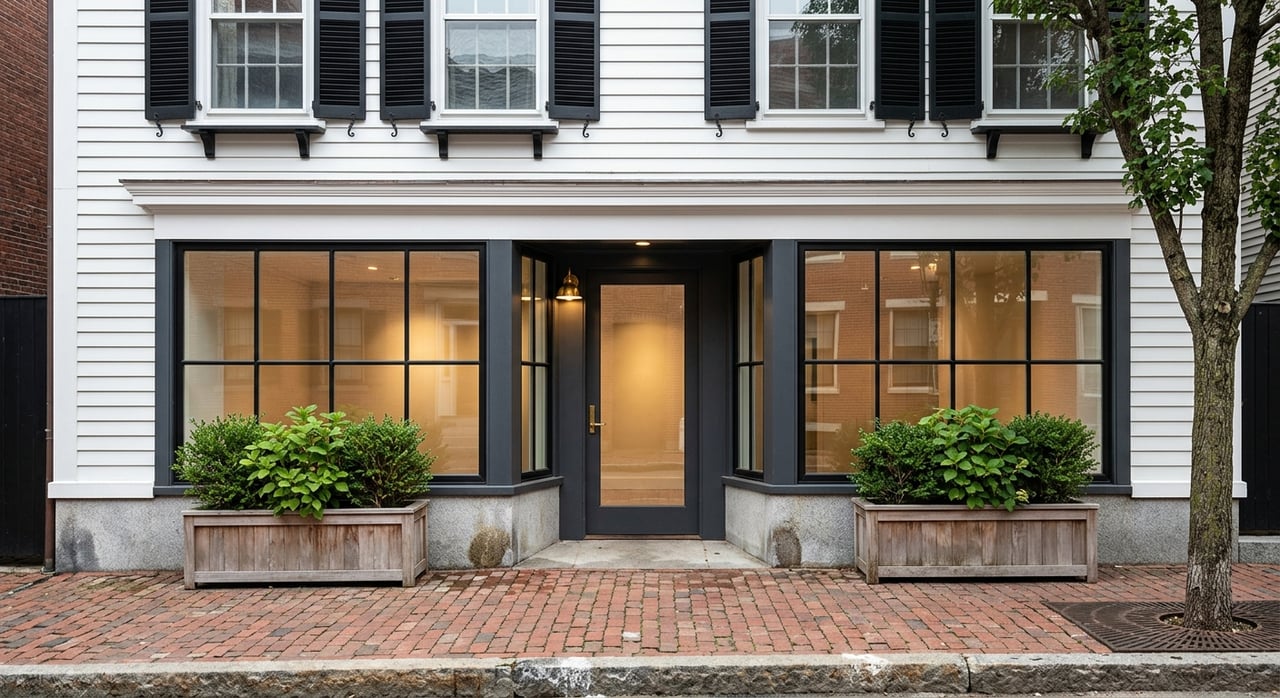
Freeport Commercial Real Estate Guide: Key Buyer Checks
July 2, 2026
July 2, 2026
Thinking about buying a commercial or mixed-use property in Freeport? It is easy to focus on the storefront, traffic count, or rental upside and miss the details that can shape your costs, timeline, and long-term value. If you want to make a smart decision, you need to know how zoning, permits, design review, and lease structure can affect the deal before you commit. Let’s walk through the key checks that matter most.
In Freeport, the listing sheet is not the final word on what a property can do. The town’s official zoning map is the authority for zoning status, and district rules can change allowed uses, setbacks, access requirements, and design standards in meaningful ways.
That matters because two properties that both look “commercial” can function very differently. A site in the village core may support a different mix of uses and a different development pattern than a site along Route 1.
Freeport’s village-centered districts are built around a more compact, walkable development pattern. If you are looking at a downtown or near-downtown property, district details deserve close attention.
VC-I is intended to concentrate commercial activity within the Village Center. It allows uses such as retail, offices, restaurants, multifamily, and mixed-use development, with compact standards that include no minimum road frontage and a 45-foot height limit.
VMU-1 is designed to support a local town-center character, encourage pedestrian-friendly development, and preserve historic resources. In that district, new commercial or mixed-use development requires sidewalks or a fee in lieu of sidewalks, which can directly affect your project budget.
It is also important to know that design rules are layered. Lots within VC-I are not subject to the Freeport Village Design Standards, but downtown construction, additions, and renovations may still be governed by the separate Design Review Ordinance.
Not every commercial property in Freeport works like a Main Street asset. Corridor and transition districts often have a different logic, with value tied more closely to access, parking, and highway exposure.
C-I is intended for commercial and mixed-use uses at highway locations along U.S. Route 1. The district is more flexible on lot area, frontage, and setbacks if access points are limited and design standards are met.
C-III is framed as an entrance to the Village and allows a mix of commercial and residential uses. It includes front-setback landscaping and a Design Review District overlay, and the ordinance encourages access from other streets and service roads rather than depending only on Route 1.
VC-II serves as a transition district between the village commercial area and nearby residential districts. That is a useful reminder that location inside Freeport’s broader commercial fabric does not always mean one-size-fits-all redevelopment potential.
In practical terms, the district often shapes the business case. Village-core properties may benefit more from walkability, village visibility, and compatibility with historic context, while corridor properties may perform better when access control, parking efficiency, and highway exposure line up with the intended use.
Freeport is also continuing to refine parts of these growth areas. The Planning Board was reviewing amendments to C-I and C-III to support additional housing and mixed-use development in the Village Gateway and Route 1 South Growth Areas, while the town was preparing Main Street and Route 1 corridor design concepts.
A property can look ready on paper and still require a meaningful approval path. In Freeport, the Codes Enforcement Officer handles land-use and construction permits and reviews zoning, shoreland matters, and flood-hazard issues.
The office also issues building, plumbing, electrical, certificate-of-occupancy, and sign-related permits. The town notes that many projects require more than one permit application, so it is wise to build permit timing into your due diligence from the start.
A building permit is required for structural work or a change of use. If you plan to convert space from one use to another, or change how a mixed-use building is occupied, you should verify early what approvals will be needed.
The town also notes a development impact fee for new construction over 1,000 square feet and for any new road. That means your real cost may include municipal fees and added timing risk, not just purchase price and renovation expenses.
Commercial building permits may take up to two weeks once a complete packet is submitted. That may sound manageable, but only if your application is complete and no other approvals are needed first.
In the downtown and village-overlay area, design review can be a major part of the process. Any new construction, addition, or reconstruction must comply with the Freeport Village Design Standards, and a Design Standard Certificate is required before a permit to proceed is issued.
The town also provides Design Review and Site Plan Review submission checklists. That is a strong signal that buyers should expect a document-heavy process well before any board meeting is scheduled.
Some uses in commercial and mixed-use districts are subject to site plan review regardless of size. That includes important retail, office, multifamily, and mixed-use categories in the village districts.
In other words, a building may seem physically suitable for your intended use and still require formal municipal review before that use can legally move forward. It is worth confirming the approval sequence with the Codes Office instead of assuming a typical residential timeline.
If the property has tenants, the leases deserve the same scrutiny as the building itself. The rent number alone does not tell you enough about the income stream.
Commercial leases allocate risk in different ways. Under a gross lease, the landlord generally bundles expenses into a fixed rent. Under a net lease, the tenant pays base rent plus some or all operating expenses, and in a triple-net lease the tenant typically pays taxes, insurance, and common-area maintenance. A modified gross lease is a negotiated hybrid.
For a mixed-use or multi-tenant property, you should review the actual lease language carefully. Expense definitions, common-area maintenance exclusions, caps on annual increases, repair obligations, utility responsibility, renewal options, assignment rights, exclusives, termination rights, and percentage-rent clauses can all change the true return profile.
This is especially important in Freeport because site-related obligations may affect economics as much as lease form. Sidewalk requirements, parking layout, access limits, and any board-imposed conditions can influence both tenant operations and owner costs.
Before you treat a property as a real deal, assemble the documents that let you test both legal and financial risk. Strong diligence helps you understand not just what the property is, but what it can realistically become.
A typical file should include:
In Freeport, you should also gather materials tied to the town’s zoning and review structure. That often includes the zoning district map, overlay or design-review materials, and any site plan review documents tied to the property.
If the site is near water or in a lower-lying area, it is also wise to review floodplain and shoreland-related materials. The Codes Office reviews flood hazard issues, and parcels within the Shoreland Zone must comply with the shoreland ordinance.
Complex commercial and mixed-use purchases often move more smoothly when the right specialists review the right documents early. That can help you spot issues before you waive contingencies or commit additional capital.
An attorney will often focus on title, survey, leases, zoning, access, and environmental exposure. An accountant will often focus on income quality, expense pass-throughs, taxes, and reserves.
For buyers in Freeport, that division of labor is especially useful because municipal review can involve several layers of zoning, design, and permitting. A steady brokerage process can also help surface district issues early and keep the document flow organized.
Freeport offers real opportunity for buyers looking at storefronts, mixed-use buildings, and corridor properties, but the best outcomes usually come from careful early review. Zoning district rules, permit timing, design standards, lease structure, and municipal conditions can all affect whether a deal performs the way you expect.
If you are considering a commercial or mixed-use property in Freeport, a calm, risk-aware process can help you move forward with more clarity. To talk through a property, your goals, and the due diligence steps worth prioritizing, connect with Adrianne Zahner.
Stay up to date on the latest real estate trends.



Whether you’re buying your first home, upgrading to something new, or selling a beloved property, I’m here to provide expert guidance, clear communication, and thoughtful advocacy. I’m ready to help you take the next step.
Adrianne Zahner
Legacy Properties Sotheby’s International Realty 40 Main St Damariscotta ME 04543