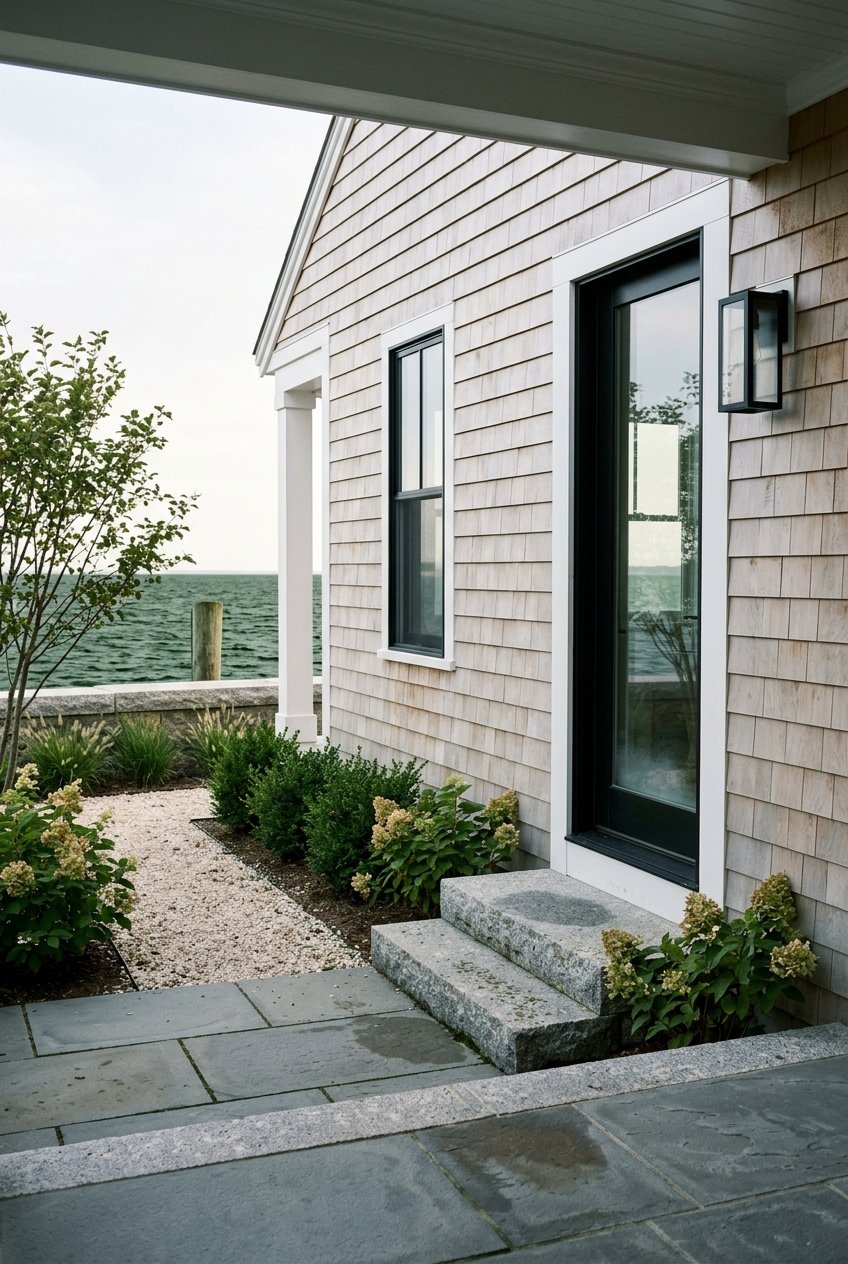
Camden Rockport Harbor Living Near the Water
July 9, 2026
July 9, 2026
If you picture Midcoast living as a place where the waterfront shapes your daily routine, Camden and Rockport deserve a close look. Living near the harbor in either town can mean easy access to public space, boats, village amenities, and a calendar that stays active beyond summer. If you are weighing a move, a second home, or a lifestyle change near the water, this guide will help you understand how harbor living really feels in Camden and Rockport. Let’s dive in.
Living near the harbor in Camden or Rockport is less about a single water view and more about how the waterfront connects to everyday life. In both towns, the harbor area ties together public gathering spaces, local businesses, and walking routes in a way that feels distinctly in-town.
Camden reads as the more compact harbor downtown. The town’s business district is described in local planning materials as dense and pedestrian-oriented, stretching from Harbor Park along Main Street to School and Union Streets, with the library, amphitheatre, and Village Green nearby.
Rockport offers a smaller village core centered on its harbor. The Opera House, library, restaurants, and small businesses sit close together, and the harbor is part of the village experience rather than a separate destination.
One of the biggest draws of living near the harbor is the ability to do more on foot. In both towns, the practical rhythm of daily life near the water is built around short walks, visible waterfront access, and time spent in public spaces.
In Camden, that can mean walking from a nearby home to Harbor Park, Main Street, or the library area with relative ease. The downtown pattern is not built around large parking lots or strip-style development, which helps keep the harbor area connected and active.
In Rockport, the village scale is smaller, but that is part of the appeal. The harbor, Opera House, and nearby dining and businesses are all tied together in a compact setting that supports a more walkable, harbor-centered routine.
That said, harbor convenience often comes with tradeoffs. Local planning documents for both towns note parking pressure and pedestrian flow challenges in the village centers, especially during busy times of year.
If you want harbor living to include actual access to the water, both towns offer meaningful public harbor infrastructure. The difference is not whether boating matters, but how each harbor is set up and managed.
Camden’s Public Landing supports both public and working-harbor activity. Town planning materials describe seasonal berths for 40 boats under 22 feet, 20 finger floats, dinghy tie-up, transient tie-up, commercial fisherman floats, and a large parking lot.
The harbor is also actively managed. The harbor department handles mooring registrations, waiting lists, assignments, and inspections, which gives you a sense of how central boating and waterfront operations are to the town.
Rockport offers a broad set of recreational dockage amenities. According to the town’s harbor information, there are close to 300 moorings, first-come first-served docks, overnight dockage for vessels up to 140 feet, a launch ramp, restrooms, laundry, and pump-out service.
At the same time, availability can be limited. The town notes that the mooring field is full, and transient moorings are not available through the town, which is an important practical detail if your harbor lifestyle includes regular boating plans.
Both harbors support more than recreation. That matters because it gives each town an authentic waterfront identity rather than a purely scenic one.
In Camden, the harbor district includes Harbor Park, marine facilities, and other water-dependent uses. In Rockport, planning materials describe fisheries, commercial marine services, boat builders, Rockport Marine, and public facilities at Marine Park.
For you as a buyer, this means the harbor is an active place with real daily function. Boats come and go, waterfront services operate nearby, and the shoreline helps define the town’s identity throughout the year.
Many buyers are drawn to harbor towns in summer, but the better question is what happens after peak season. In both Camden and Rockport, the local calendar stays visible well into the shoulder seasons and winter.
Camden’s comprehensive plan describes the town as a year-round community with commerce, cultural, sporting, and civic events throughout the year. The plan lists recurring draws such as the Camden Conference, Camden International Film Festival, Windjammer Festival, WinterFest and the National Toboggan Championships, Harbor Park Arts and Books Fair, and Mini Maker Fair.
Rockport also has a harbor-centered event pattern that extends beyond summer. The town notes community events such as Holiday on the Harbor New Year’s Eve fireworks, Summer Concerts, and the Donut Festival, while the Rockport Opera House serves year-round cultural and social uses.
If you are considering a second home or year-round move, this matters. A harbor address in either town can offer more than a seasonal backdrop, with civic and cultural life continuing outside the busiest months.
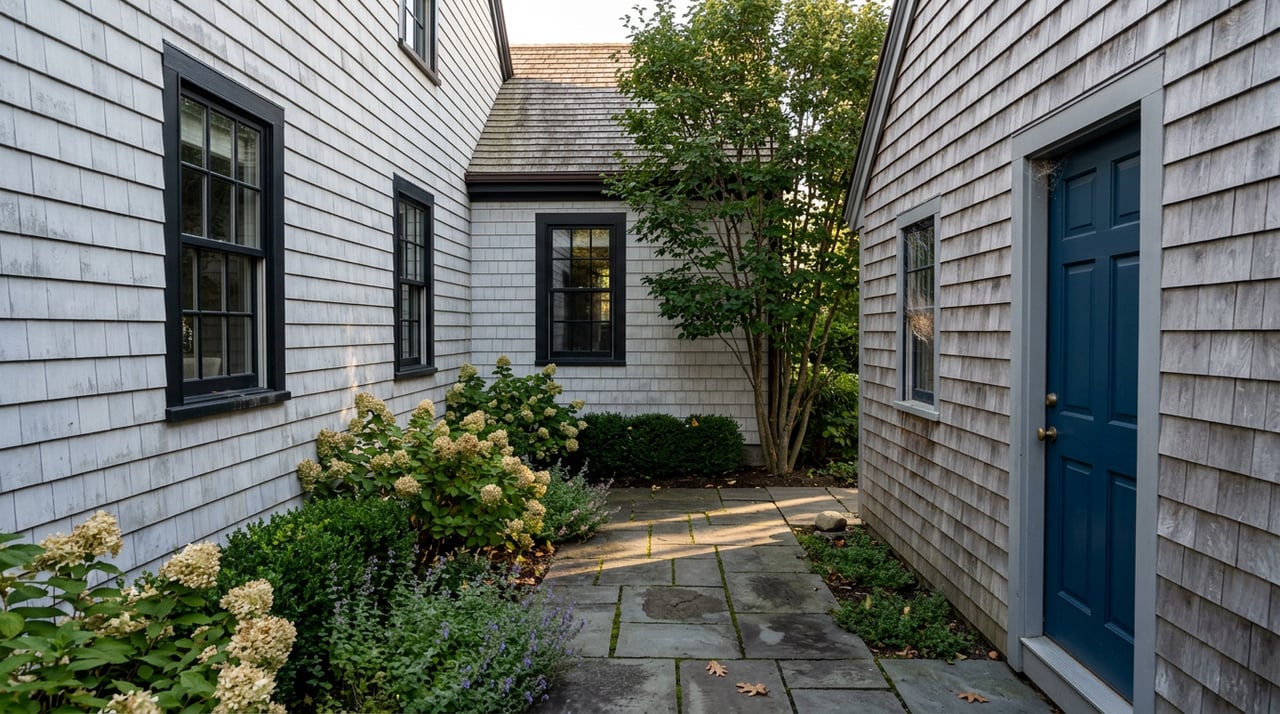
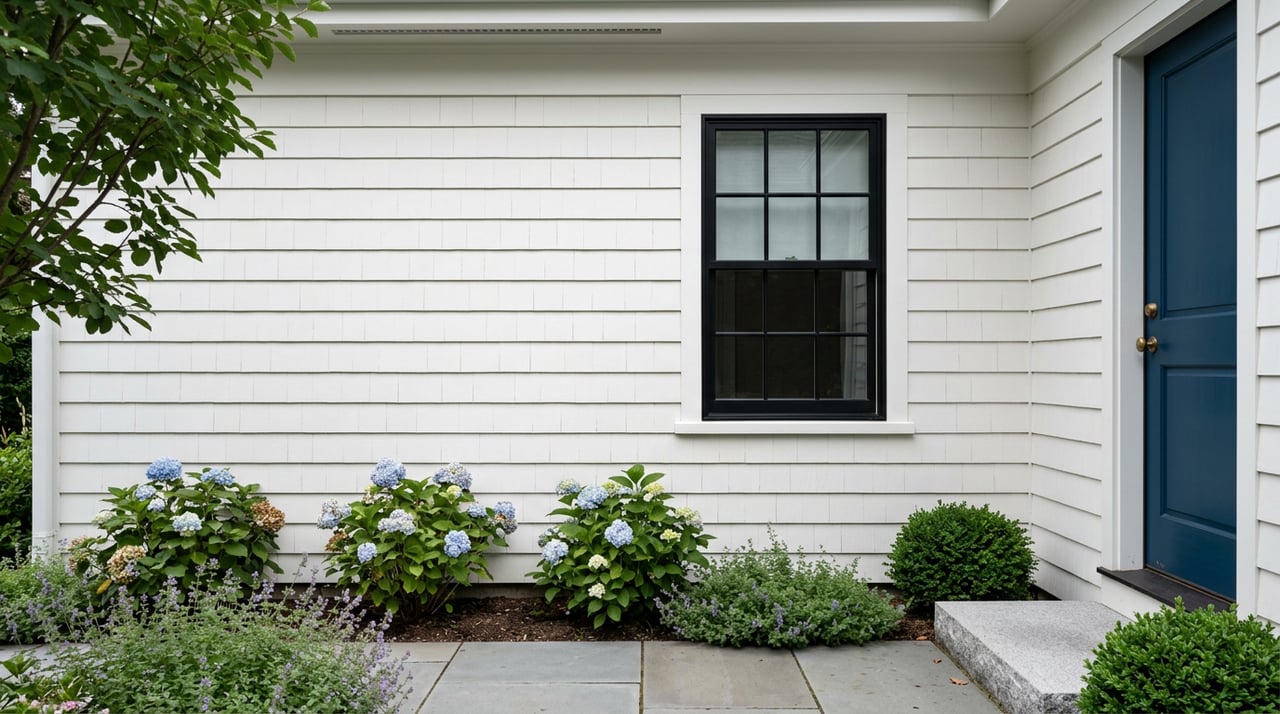
Homes near the harbor in Camden and Rockport tend to reflect older village patterns rather than a modern subdivision layout. That often means more historic character, smaller lots, and a mix of residential and mixed-use settings close to the water.
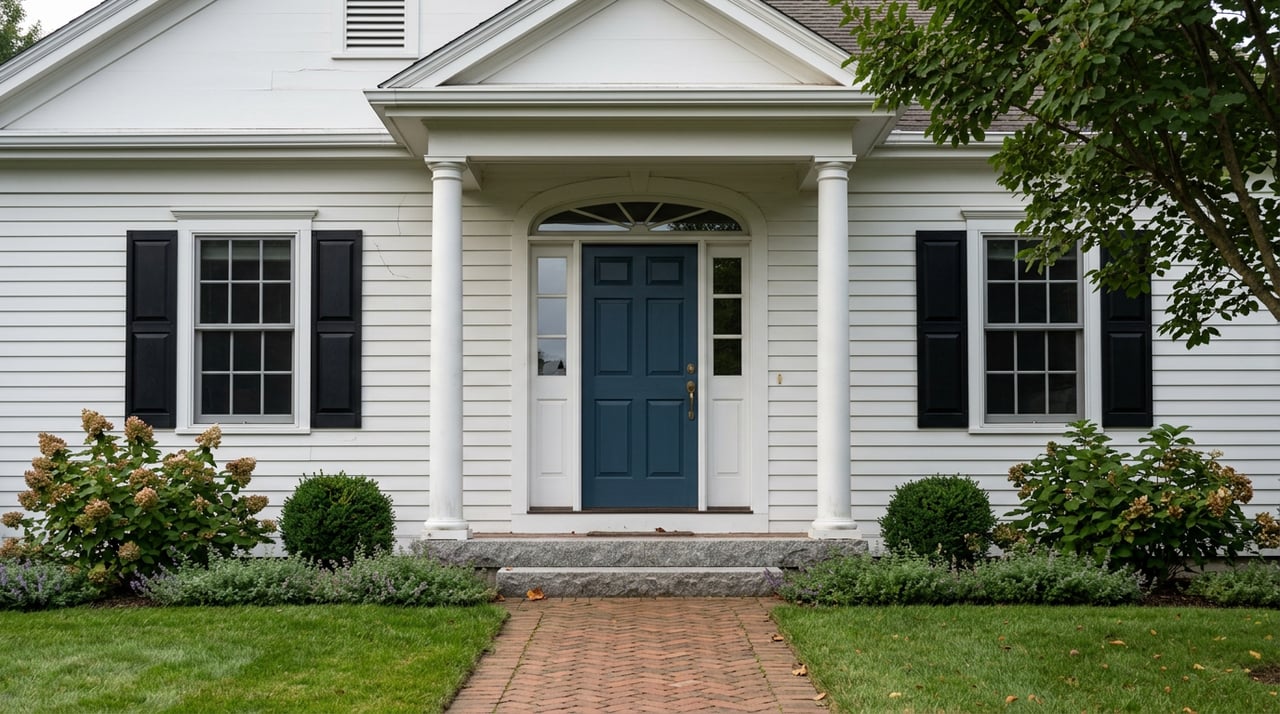
In Camden, the harbor-adjacent area includes older houses, historic districts, some newer infill, condos, and smaller residential or commercial uses. The Chestnut Street Historic District includes more than 85 structures, and many early houses are Federal style, wood-framed, clapboard-sided, and rectangular with symmetrical facades.
Local planning materials also describe the Bay View and Chestnut Street area as a prime residential neighborhood with a mix of historic and newer residences. If you are drawn to in-town character, Camden offers a strong case for that style of living.
In Rockport, the village center is anchored by the Rockport Historic District and Harbor Village. Town materials describe more than 127 historic houses and buildings in the district, including Greek Revival, Italianate, and other historic house styles.
Rockport’s zoning summary identifies Harbor Village, Village, Coastal Residential, Residential, and Mixed Business/Residential districts. In practical terms, that points to a range of housing types near the harbor, including older village homes, shoreline properties, and some mixed-use buildings.
If you are choosing between the two, the difference often comes down to scale and rhythm. Both are waterfront communities with walkable cores, active harbors, and year-round identity, but they do not feel exactly the same.
Camden tends to feel more compact and more visibly downtown around the harbor. The connection between Harbor Park, Main Street, and nearby civic spaces gives it a lively, layered waterfront setting.
Rockport tends to feel smaller and more village-centered. The harbor, bridge, marina functions, and Opera House create a quieter but still active coastal setting.
Neither choice is universally better. The right fit depends on whether you want a denser harbor downtown feel or a smaller village harbor experience.
Before you buy near the harbor, it helps to weigh the lifestyle benefits against the day-to-day realities. Harbor living can be rewarding, but it also asks for flexibility.
A few practical considerations include:
In Camden, local planning documents also reference Public Landing improvements, along with boardwalk, lighting, and pedestrian circulation upgrades. These details reinforce the idea that the harbor is a highly used public environment, not just a scenic edge.
Living near the harbor can be a strong fit if you want your home base to connect directly to the waterfront and village life. You may appreciate this setting if you value walkability, historic character, boating access, and a local calendar that extends beyond peak season.
It can also appeal if you are looking for a second home with a strong sense of place. In both Camden and Rockport, the harbor is woven into community identity, which gives these locations a depth that goes beyond summer appeal.
If you are exploring homes near the harbor in Camden or Rockport, it helps to work with someone who understands not just the housing stock, but the practical rhythm of these waterfront areas. To talk through your options with calm, locally informed guidance, connect with Adrianne Zahner.
Stay up to date on the latest real estate trends.

Whether you’re buying your first home, upgrading to something new, or selling a beloved property, I’m here to provide expert guidance, clear communication, and thoughtful advocacy. I’m ready to help you take the next step.
Adrianne Zahner
Legacy Properties Sotheby’s International Realty 40 Main St Damariscotta ME 04543