Damariscotta and Newcastle Are Selling Fewer Homes Than Their Neighbors. Here's Why That's Not a Warning Sign.
September 24, 2026
September 24, 2026
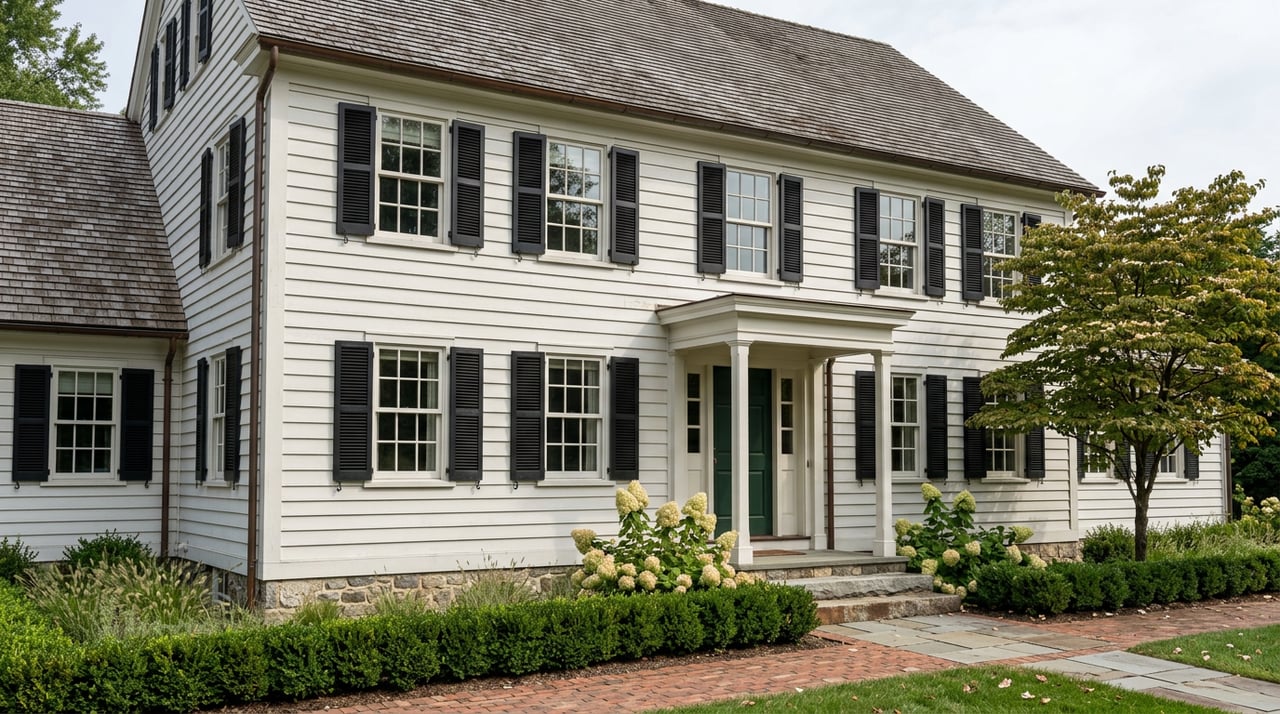
Main Street in Damariscotta runs downhill toward the river, past the same brick storefronts that have anchored the Twin Villages for more than a century, past the tidal flats where Maine's oyster industry built the town's reputation as something close to a coastal Napa Valley. Newcastle sits just across the bridge, quieter, more residential, its historic districts tucked along Glidden Street and out toward Damariscotta Mills. Together the two towns function as the commercial and cultural center of Lincoln County. If you were guessing which towns move the most homes in a given year, you would guess these two first.
You would be wrong.
Through late August 2026, Maine Listings recorded 19 completed home sales in Damariscotta and 20 in Newcastle for the year to date. Combined, that is 39 sales. Bristol alone recorded 47. Waldoboro recorded 46. Wiscasset recorded 42. Three towns with less name recognition, less foot traffic, and no downtown at all in the traditional sense each outsold the Twin Villages on their own.
| Town | Home sales, Jan 1 to Aug 20, 2026 |
|---|---|
| Bristol | 47 |
| Waldoboro | 46 |
| Wiscasset | 42 |
| Jefferson | 34 |
| Boothbay Harbor | 26 |
| Newcastle | 20 |
| Damariscotta | 19 |
That gap is worth sitting with, because it changes how you should read every other number attached to this market this year.
A lower sales count in a desirable place usually means one of two things: demand has softened, or supply has not kept pace with the people who want to buy. Lincoln County's own inventory numbers point squarely at the second explanation. As of the same August 2026 report, 311 single-family homes sat active across the county, up from 281 in July, and 62 percent of that inventory was priced at or above $500,000. Compare that against what actually closed over the trailing 365 days: only 42 percent of completed sales fell above $500,000, while 45 percent landed in the $250,000 to $499,999 range.
The active inventory skews upmarket. The sales history does not. That mismatch tends to show up hardest in exactly the kind of towns where Damariscotta and Newcastle compete: places where the housing stock is historic, waterfront, or both, and where an owner selling a river-view property or a Main Street era home is often pricing against comparable sales that happened years apart rather than months apart.
A useful, if less visible, data point backs this up. A 50-acre parcel along Route 1 spanning Damariscotta and Nobleboro closed in late August 2026 for $75,000, a transaction Mainebiz included in its regular roundup of Maine commercial closings. That is raw, unimproved land at a price point far below anything resembling the village core. It is the kind of inventory that is available. Housing stock inside the historic district or along the water is not, at least not in volume, and that scarcity is what is actually being measured every time someone quotes a sales count for these two towns.
If you have been comparing towns by pulling up national portals, you have likely noticed something strange about Damariscotta specifically. Depending on which site you check, the market here is either surging, flat, or quietly declining.
One tracker measured Damariscotta's median sale price per square foot at $352 over the three months ending July 2026, up 34.9 percent from the year before, with the overall median sale price at $617,000 for that window, up 34.4 percent. A separate home value index put the average home value at $484,195 as of mid-2026, down 3.3 percent over the same twelve months. A third source pegged the median sale price at $479,000, up a more modest 6 percent year over year.
All three are drawing from the same pool of public sales records. The disagreement is not a data error. It is what happens when a median gets calculated from a genuinely small number of transactions. That same tracker reporting the 34 percent jump also noted that only 4 homes sold in Damariscotta in July 2026, down from 6 the year before. When your monthly sample is that thin, one $1.2 million river property closing instead of a $400,000 in-town cape can swing the median by six figures without anything in the underlying market actually shifting. Days on market for that tracker's completed sales averaged 47 days in that window, down slightly from 50 a year earlier, which suggests the homes that do sell are moving at a reasonable clip. But current active listings across the town were sitting at a median of 71 days, notably longer, hinting that some of what is on the market now is priced ahead of what buyers have actually been willing to pay.
None of these numbers are wrong. Each one is technically correct and individually incomplete. In a market this thin, the headline median is close to noise. The more reliable signal is the spread between what is listed and what is actually closing, and right now that spread looks wide.
If your search has you weighing Damariscotta or Newcastle against Bristol, Wiscasset, or Jefferson purely on the strength of a portal's price chart, you are working from a number that is more fragile here than it is in almost any of the towns around it. A slower recorded sales pace in the Twin Villages does not mean weaker demand. It means the kind of home that draws people to this specific stretch of the Damariscotta River, whether that is an in-town historic property or genuine river frontage, simply does not come up for sale often enough to generate a stable statistic.
The practical consequence is patience. Waterfront listings in Damariscotta have recently numbered as few as four at a time, with a median asking price near $435,000 for that narrow slice of inventory. When the supply of exactly what you want is measured in single digits, the search itself takes longer than a median days on market figure would suggest, and the right property may not be on the market at all when you start looking seriously. Building a relationship with someone tracking this specific niche, rather than relying on a portal's alert emails, tends to matter more here than in a market with steadier turnover.
The same thinness that frustrates buyers works differently for sellers. Fewer recent comparable sales means less certainty in a comparative market analysis, which puts more weight on a careful, property specific read rather than a formula pulled from a town-wide median. It also means genuine competition for a well-prepared listing may be lower than the county's overall days on market figures imply, since so few properties like yours are on the market at any given time.
The county-wide inventory tilt toward higher price points cuts both ways here too. With 62 percent of active Lincoln County listings priced above $500,000 but fewer than half of actual closings landing there, sellers positioning a historic or waterfront property need pricing that reflects what has actually traded hands recently, not what is currently sitting unsold nearby.
Does a lower sales count mean these towns are less desirable than they used to be? Not based on what the data shows. The scarcity is concentrated in the specific inventory types, historic village homes and true waterfront, that draw the most demand. Sales counts stay low because so little of that inventory turns over, not because interest has faded.
Why do three different sites report three different price trends for the same town? Each pulls from a small monthly sample of actual closings. A handful of transactions at very different price points can move a median dramatically in either direction without reflecting a real shift in the broader market.
Should I wait for more listings before making an offer? That depends on what you are searching for. If you want a mainstream in-town home in a common price range, the trailing twelve months of sales data gives you a reasonable sense of what to expect. If you are chasing river or lake frontage specifically, waiting is unlikely to change the math, since that inventory has stayed narrow for a sustained stretch rather than tightening temporarily.
Numbers pulled from a single portal will keep telling you different, incomplete stories about Damariscotta and Newcastle for as long as this market stays this thin. The more useful read comes from comparing what is currently listed against what has actually closed, town by town, and understanding why the gap exists rather than reacting to whichever headline shows up first.
If you are weighing a purchase or a sale in the Twin Villages and want a clearer picture of what the recent transaction history actually supports for a specific property, Adrianne Zahner can walk through the comparables that matter for your situation. Let's Connect.
Stay up to date on the latest real estate trends.
Whether you’re buying your first home, upgrading to something new, or selling a beloved property, I’m here to provide expert guidance, clear communication, and thoughtful advocacy. I’m ready to help you take the next step.
Adrianne Zahner
Legacy Properties Sotheby’s International Realty 40 Main St Damariscotta ME 04543